In a landmark event for aviation technology, a twin-engine aircraft successfully performed an automated landing following an emergency during flight, marking a significant first for automated systems in real-world crisis situations.
Emergency Over Colorado Triggers Automated Response
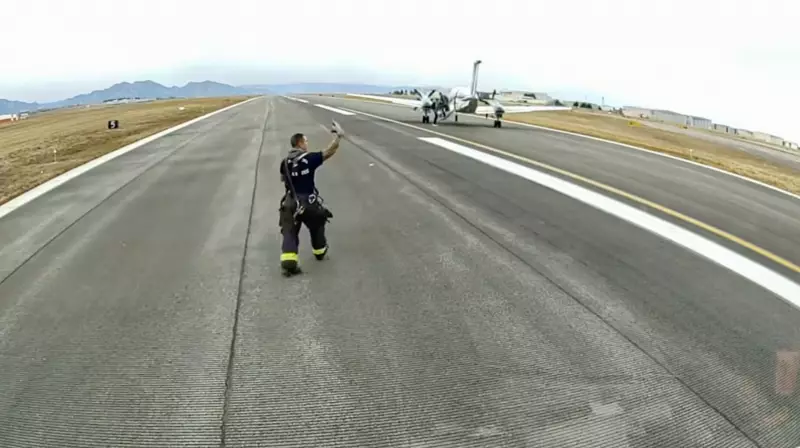
The incident involved a Beechcraft Super King Air 200 aircraft. According to video evidence released by first responders, the plane came to a stop on the runway at Rocky Mountain Metropolitan Airport near Denver, Colorado. Remarkably, both individuals on board emerged from the aircraft without any injuries.
The event occurred on December 23, 2025. While specific details regarding the nature of the in-flight emergency that triggered the automated landing sequence have not been fully disclosed, the outcome demonstrates a critical advancement in aviation safety protocols.

A First for Automated Flight Systems
This event is being hailed as a pioneering moment for aviation automation. While autopilot systems and advanced landing aids have been in use for decades, a fully automated landing initiated and completed by the aircraft's systems in response to an unforeseen emergency represents a new frontier.
The successful touchdown and roll-out of the Beechcraft King Air suggests that onboard computers can now manage complex, time-critical procedures without pilot input, potentially safeguarding lives when human operators are incapacitated or unable to respond.
Implications for Future Air Travel Safety
The implications of this successful automated landing are profound for the future of both commercial and private aviation. Industry analysts suggest this technology could become a standard safety feature, providing a final layer of protection in catastrophic scenarios.
The incident near Denver proves the concept's viability outside of controlled test environments. It is expected to accelerate research, development, and regulatory discussions surrounding the integration of more autonomous systems into civilian aircraft, with a primary focus on enhancing passenger and crew safety during extreme emergencies.
Investigations by aviation authorities are likely underway to analyze the flight data and the precise performance of the automation systems during the event. The findings will be crucial for shaping the next generation of aircraft design and safety regulations.