Philippine Authorities Halt Passenger Fleet After Fatal Ferry Disaster
The Philippine government has taken decisive action by grounding an entire company's fleet of passenger ships. This emergency measure comes in the immediate aftermath of a devastating maritime incident where at least eighteen individuals lost their lives. The tragic sinking of the inter-island ferry has prompted a swift and serious response from national authorities, highlighting ongoing concerns about maritime safety protocols in the archipelago nation.
Coast Guard Leads Recovery Operation in Zamboanga
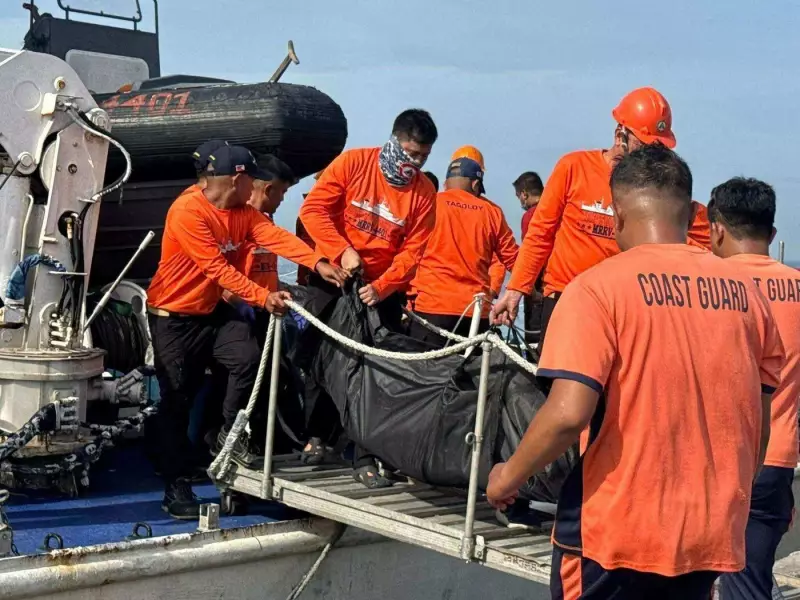
Philippine Coast Guard personnel were actively engaged in recovery operations in Zamboanga city on Monday, January 26, 2026. The vessel involved, identified as the M/V Trisha Kerstin 3, was a combined cargo and passenger ferry operating on a routine inter-island route. The sudden sinking has sent shockwaves through local communities and the broader shipping industry, raising urgent questions about vessel maintenance, operational standards, and emergency preparedness.
The grounding order represents a significant regulatory intervention, effectively immobilizing all passenger ships under the company's operational control. This preventative step is intended to allow for comprehensive safety inspections and a thorough investigation into the root causes of the catastrophe. Maritime experts suggest that such incidents, while tragic, often lead to critical reforms in safety oversight and enforcement mechanisms.

Investigative Focus and Broader Implications
Authorities have not yet released detailed findings on what precipitated the ferry's sinking. Initial reports from the scene describe a coordinated response effort involving multiple agencies. The incident underscores the vital importance of stringent safety regulations for passenger vessels, especially in regions reliant on ferry transport for connectivity between islands.
This event is likely to reignite debates over maritime infrastructure investment and the enforcement of international safety standards within domestic fleets. The Philippine archipelago, with its thousands of islands, depends heavily on sea transport, making the reliability and safety of its passenger ferry network a matter of national importance. The loss of life has prompted calls for immediate reviews of all similar vessels operating in Philippine waters.
The company whose fleet has been suspended now faces not only a regulatory crisis but also profound scrutiny from the public and government officials. The coming days and weeks will be crucial as investigators piece together the sequence of events that led to this profound loss. The nation mourns as recovery efforts continue and the focus shifts to preventing future tragedies of this scale.