Pakistan Announces Free Public Transport as Energy Crisis Intensifies
In a bold move to mitigate the impacts of a severe energy crisis, the Pakistani government has declared that public transport will be made free for citizens. This decision comes as the nation grapples with soaring fuel prices, largely driven by global oil market disruptions linked to international conflicts, including the ongoing war in Iran.
Economic Strain and Government Response
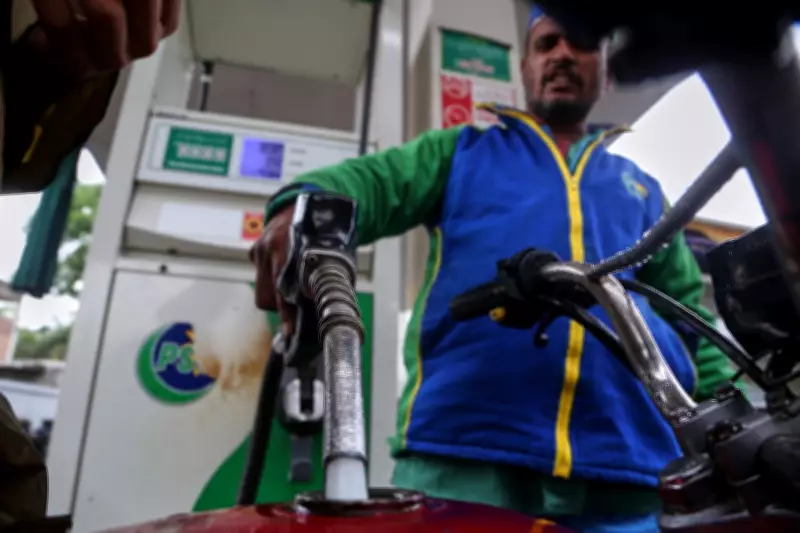
The energy crisis has placed immense financial pressure on Pakistani households, with fuel costs skyrocketing and inflation rising. In Peshawar, scenes of workers filling motorbikes with fuel at increased prices have become commonplace, highlighting the daily struggles faced by many. To address this, authorities are implementing the free public transport initiative as a temporary relief measure, aiming to reduce transportation expenses for the public and stimulate economic activity during these challenging times.
Global Context and Local Impacts
Global oil prices have surged due to geopolitical tensions, particularly the Iran war, which has disrupted supply chains and increased costs worldwide. Pakistan, heavily reliant on imported oil, has felt these effects acutely, leading to higher fuel prices and energy shortages. The government's announcement is part of a broader strategy to cushion citizens from these external shocks, while also exploring long-term solutions to enhance energy security and diversify energy sources.

Public Reaction and Future Outlook
Initial reactions from the public have been mixed, with some praising the move as a necessary step to support low-income families, while others express concerns about the sustainability of such measures. Experts warn that while free transport provides immediate relief, it may strain government resources if not paired with comprehensive economic reforms. Looking ahead, Pakistan plans to monitor the initiative's effectiveness and consider adjustments based on public feedback and economic indicators.
This development underscores the interconnectedness of global events and local economies, as nations like Pakistan navigate complex challenges in an unstable international landscape. The free public transport scheme represents a critical intervention in a time of crisis, aiming to uphold social welfare and economic stability amidst ongoing uncertainties.