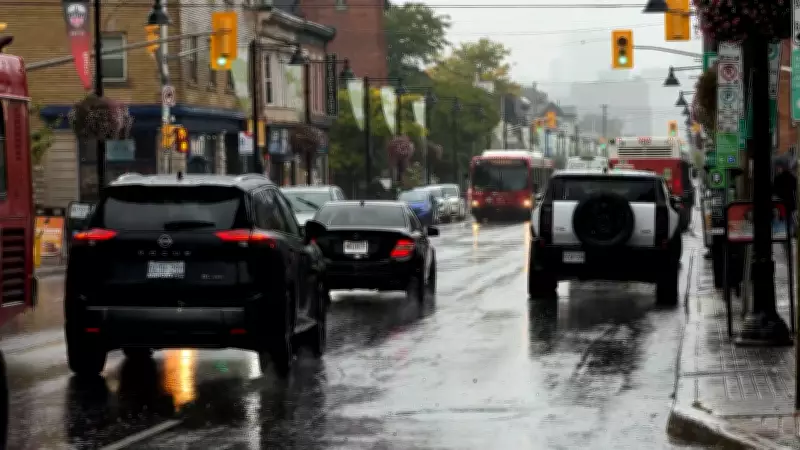
Ottawa to Pilot Dedicated Bus Lanes on Bank Street in the Glebe
In a move to enhance public transit efficiency and alleviate traffic congestion, the City of Ottawa has announced a pilot project to test dedicated bus-only lanes on Bank Street in the Glebe neighborhood. This initiative, set to begin in the coming months, represents a significant shift in urban transportation planning for the area.
Redesigning Bank Street for Better Transit
The proposed redesign of Bank Street will involve the installation of exclusive bus lanes, which are expected to streamline bus operations and reduce travel times for commuters. However, this improvement comes with a trade-off: the removal of some on-street parking spaces to accommodate the new lanes. City officials emphasize that this change is necessary to prioritize public transit and support sustainable mobility options.
According to sources, the pilot project is part of a broader strategy to modernize Ottawa's transit infrastructure and encourage more residents to use public transportation. By dedicating lanes to buses, the city aims to make bus services more reliable and attractive, potentially reducing the number of private vehicles on the road.

Community Impact and Reactions
The introduction of bus-only lanes is likely to have mixed reactions from local residents and businesses. While some may welcome the improved transit access and reduced congestion, others could express concerns about the loss of parking and potential disruptions during the implementation phase. City planners are expected to engage with the community to address these issues and gather feedback throughout the pilot.
This project aligns with Ottawa's ongoing efforts to create a more efficient and environmentally friendly transportation network, as seen in other initiatives across the city. The Glebe, known for its vibrant commercial and residential areas, could see enhanced connectivity and reduced traffic delays if the pilot proves successful.
Looking Ahead
If the pilot on Bank Street yields positive results, it could pave the way for similar bus-only lane projects in other parts of Ottawa. City officials will monitor key metrics such as bus travel times, ridership numbers, and traffic flow to evaluate the effectiveness of the lanes. This data will inform future decisions on whether to make the changes permanent or expand them to additional corridors.
In summary, Ottawa's decision to test bus-only lanes on Bank Street in the Glebe marks a proactive step toward improving public transit and addressing urban mobility challenges. As the city continues to grow, such innovations will be crucial in shaping a more sustainable and accessible transportation system for all residents.