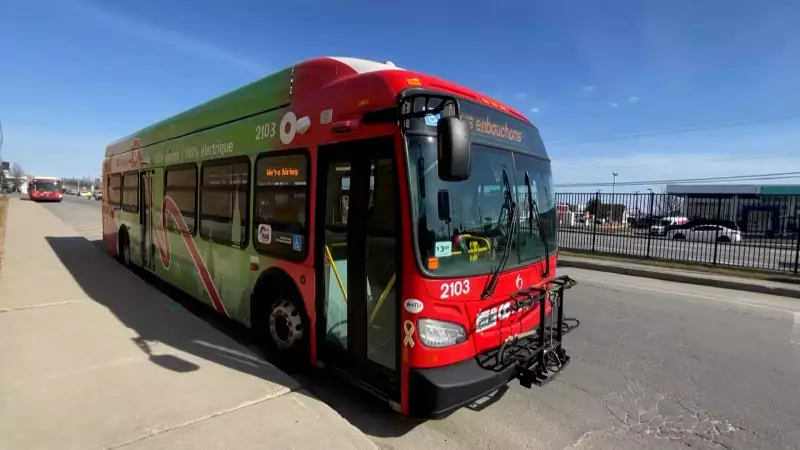
The City of Ottawa's drive to electrify its public transit fleet is hitting significant speed bumps. According to a report from January 5, 2026, the municipality is falling dramatically short of its own targets for deploying battery-powered buses.
A Ambitious Target Meets a Slow Reality
The city council had set a goal of putting 350 electric buses into service by the year 2027. This initiative is a cornerstone of Ottawa's strategy to reduce greenhouse gas emissions and modernize its OC Transpo fleet. However, the current reality paints a different picture. As of the start of 2026, only 36 electric buses are actually operating on city routes.
This means the city has deployed barely 10 percent of its stated objective, with less than two years remaining to achieve the full goal. The slow rollout raises questions about the feasibility of the 2027 deadline and the underlying challenges of transitioning to large-scale zero-emission transit.

Understanding the Roadblocks to Electrification
While the original report did not specify the exact causes for the delay, such large-scale infrastructure projects typically face a series of complex hurdles. The procurement of electric buses involves lengthy manufacturing lead times and global supply chain pressures for specialized parts like batteries.
Furthermore, deploying these vehicles is not as simple as swapping out diesel models. It requires massive supporting infrastructure, including the construction of charging depots with sufficient power capacity. Upgrading electrical grids to handle the demand from dozens of buses charging simultaneously is a major logistical and financial undertaking. Staff training for maintenance and operation on the new technology also adds time to the process.
Broader Implications for Ottawa's Climate Goals
This delay has consequences beyond just bus schedules. Transportation is a major source of carbon emissions in urban centers. A slower transition to electric public transit directly impacts the city's ability to meet its broader climate action and sustainability targets.
Residents who were promised a greener, quieter transit system are left waiting. The gap between ambition and execution also highlights the practical difficulties Canadian municipalities face in funding and executing complex green initiatives. Ottawa's experience serves as a case study for other cities, like Toronto and Vancouver, that are on similar electrification journeys.
The coming months will be critical to see if the city can accelerate its procurement and deployment process. Whether through revised timelines, increased investment, or new procurement strategies, Ottawa's path to a fully electric bus fleet appears to be longer and more complicated than initially planned.