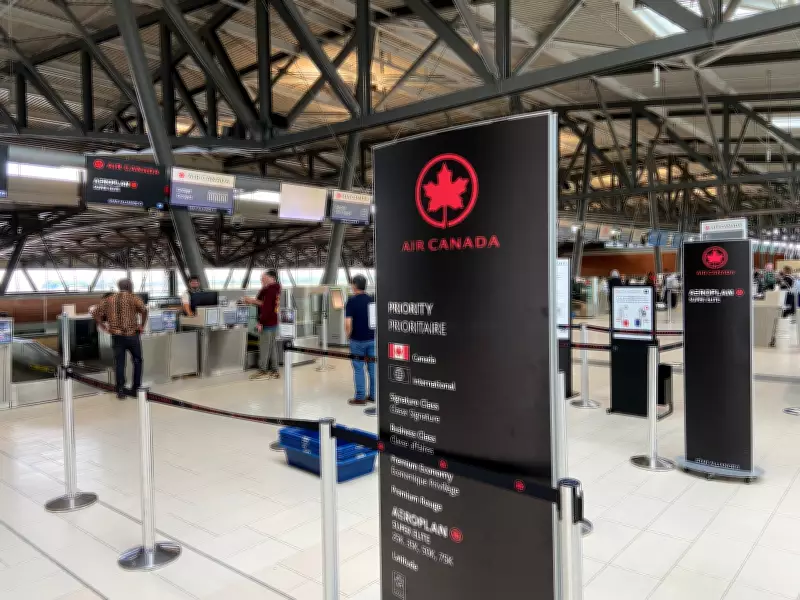
Ottawa Airport Experiences Drop in U.S. Traveler Traffic This Year
In a notable shift for regional aviation, the Ottawa International Airport has recorded a decrease in the number of U.S. travelers passing through its facilities so far in 2026. This trend emerges against a backdrop of broader economic and travel-related developments, including fluctuating interest rates and changing consumer behaviors.
Analyzing the Decline in Passenger Numbers
Data from the early months of 2026 indicate a reduction in U.S. visitor traffic at Ottawa's primary airport. While specific figures have not been disclosed, airport officials attribute this decline to a combination of factors such as economic uncertainty, shifts in travel preferences, and potential impacts from international events. The drop contrasts with previous years when U.S. travelers constituted a significant portion of the airport's international traffic.
Economic and Policy Influences

This decline coincides with key economic indicators, including the Bank of Canada's decision to maintain its key interest rate at 2.25%, which may affect consumer spending on travel. Additionally, ongoing discussions in the U.S. about potential Department of Homeland Security shutdowns could be contributing to travel anxieties, potentially deterring cross-border trips. These factors highlight how macroeconomic policies and international relations can directly influence local travel patterns.
Broader Context and Regional Implications
The decrease in U.S. travelers at Ottawa Airport is part of a larger narrative affecting Canadian aviation and tourism. Other regions, such as Quebec and Ontario, are grappling with issues like power outages and transportation challenges, which might indirectly impact travel logistics. For instance, OC Transpo bus routes in Ottawa have faced high cancellation rates, potentially affecting airport connectivity for passengers.
Comparative Trends in Travel and Tourism
While Ottawa sees a dip in U.S. visitors, other areas report mixed travel-related news. Events like the FIFA Fan Festival in Vancouver and tourism promotions in provinces like British Columbia suggest efforts to boost visitor numbers, yet these may not offset declines in specific markets. The situation underscores the need for targeted strategies to attract international travelers amid competitive global tourism landscapes.
Future Outlook and Potential Recoveries
Looking ahead, airport authorities and tourism boards may need to adapt to evolving travel demands. Initiatives could include enhanced marketing campaigns, improved infrastructure, or partnerships with airlines to increase flight frequencies. Monitoring trends such as gas price fluctuations in Ottawa and broader economic shifts will be crucial for predicting recovery timelines.
In summary, the decline in U.S. travelers at Ottawa International Airport in early 2026 reflects a complex interplay of economic, policy, and social factors. As the year progresses, stakeholders will likely focus on strategies to revitalize cross-border travel and support the local economy through increased tourism and aviation activity.