Oil Price Surge Sparks Immediate Airfare Increases as Airlines Grapple with Fuel Costs
The ongoing conflict in Iran, which began on February 28, has significantly disrupted global oil supply chains, leading to a sharp increase in crude oil prices. This development is having an immediate impact on the aviation industry, with airlines already adjusting ticket prices to reflect higher fuel costs.
Direct Impact on Airline Pricing
Aviation experts confirm that airlines purchase fuel on an as-needed basis, meaning any price increases affect their operations immediately. John Gradek, an aviation management lecturer at McGill University and former Air Canada executive, explains that jet fuel prices jumped dramatically from US$99.40 to US$157.41 per barrel between February 27 and March 6—a staggering 58.4% increase in just one week.
Major carriers have already begun implementing fuel surcharges. Annick Guérard, Chief Executive Officer at Air Transat, confirmed during the company's first-quarter earnings call that they have increased fuel surcharges on European flights, though these adjustments are blended into the total ticket price. Similarly, Air Canada has acknowledged adjusting pricing to reflect higher fuel costs.

Specific Surcharge Examples
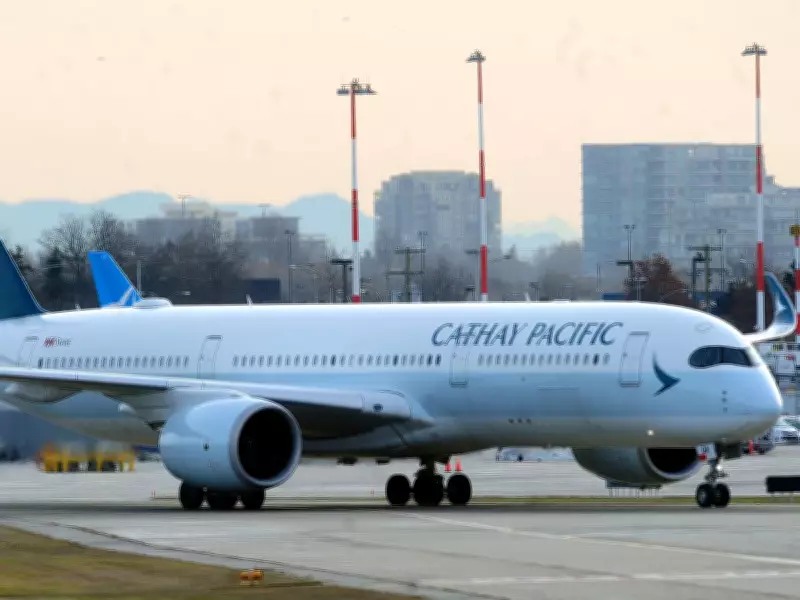
Cathay Pacific has provided concrete numbers, revealing that tickets purchased in Canada will face a $101 fuel surcharge until March 17, which will then double to $202.60 starting March 18. The airline has implemented similar doubling of surcharges across other regions as well.
Gradek notes that specific fuel pricing data can be sparse for consumers because "aviation fuel pricing is something that's really a contractual price between a supplier and an individual airline. So it's not something that's in the public domain."
How Airlines Manage Volatile Fuel Costs
Jet fuel presents unique challenges for airlines due to its bulk and price volatility. Most carriers purchase fuel on a need-to-use basis, similar to how consumers typically only have gasoline in their car's tank rather than storing extra fuel.
Gradek explains that airlines employ strategic purchasing methods to mitigate costs: "If I'm going from Montreal to Toronto to Vancouver and Montreal's price is cheaper than Toronto's, I would fill the plane up to its gunnels in Montreal and not pick up any gas in Toronto, and go to Vancouver."
However, he emphasizes the extreme volatility of jet fuel markets: "The price of jet fuel can fluctuate by the day, even the hour. The only time you get a lock-in price is when I say I'm going to be flying in tomorrow and I guarantee uplift of 100,000 litres on my airplane. Give me a price today for tomorrow."
Uncertain Future Outlook
The duration of the current price surge remains uncertain, with Gradek posing the rhetorical question: "Do you know how long this Strait of Hormuz thing is going to last?" He adds that while $200 per barrel oil might seem absurd today, "100 bucks a barrel was absurd two weeks ago. So who knows where this is going to head?"
This uncertainty means travelers should expect continued price adjustments as airlines navigate the volatile fuel market. The immediate implementation of surcharges demonstrates how quickly global events translate into higher travel costs for consumers.