Transit Accountability: Could Ottawa Follow Toronto's Lead on Service Refunds?
As Toronto explores innovative measures to hold its transit system accountable, Ottawa residents are left wondering if similar approaches could address the persistent service issues plaguing OC Transpo. The concept of providing financial compensation to riders when public transportation fails to meet basic service standards represents a significant shift in how municipalities might approach transit reliability.
The Current State of Ottawa's Transit System
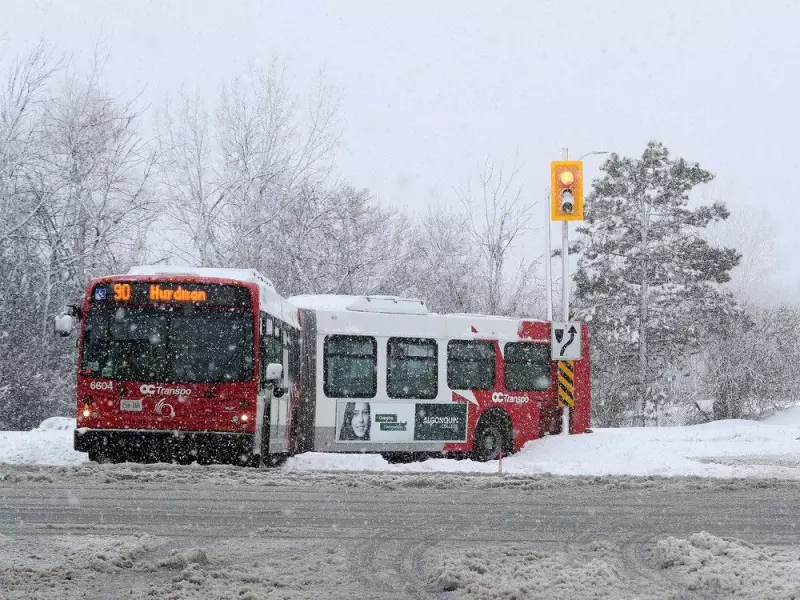
OC Transpo continues to struggle with meeting its regularity and punctuality targets, with recent statistics revealing nearly 800 bus trips cancelled in a single day. The transit authority has acknowledged multiple contributing factors including increased maintenance requirements for aging buses, supply chain disruptions affecting electric bus deliveries, worsening traffic congestion, and challenging winter weather conditions.
These operational challenges have created a frustrating experience for daily commuters who frequently face extended wait times in cold weather and unreliable service that disrupts their schedules. The situation has become so problematic that riders now spend considerable mental energy simply contemplating the transit system's shortcomings rather than enjoying the theoretical benefits of public transportation.

Infrastructure Challenges and Safety Concerns
Beyond bus service issues, Ottawa's Confederation Line LRT has faced its own significant problems. Recently, two-thirds of the LRT train fleet required removal from service due to mechanical issues described as "spalling" problems. While transit officials emphasize passenger safety as their top priority, riders question whether this commitment extends to those left waiting in freezing temperatures for cancelled buses.
The cumulative effect of these service disruptions extends beyond mere inconvenience. Extended wait times in adverse weather conditions raise legitimate safety concerns, while unreliable scheduling forces residents to reconsider their transportation options entirely.
The Toronto Precedent and Ottawa's Potential Response
Toronto's consideration of transit refunds for service failures presents an intriguing model for Ottawa to examine. Such a policy would represent a fundamental shift toward greater accountability in public transportation, potentially creating financial incentives for transit authorities to improve reliability and responsiveness.
Implementing similar measures in Ottawa would require careful consideration of multiple factors including cost implications, administrative feasibility, and the establishment of clear service standards that would trigger refund eligibility. The policy would need to balance accountability with the practical realities of operating a large-scale transit system in Canada's challenging climate.
Broader Implications for Urban Transportation
The discussion around transit refunds touches on larger questions about municipal responsibility and the social contract between cities and their residents. When public transportation fails consistently, it affects employment accessibility, economic productivity, and overall quality of life for urban residents.
Some observers suggest that unreliable transit service might even contribute indirectly to other urban challenges. While the connection remains speculative, the frustration of extended wait times could potentially influence transportation decisions in ways that affect broader community patterns.
As Ottawa continues to grapple with its transit challenges, the Toronto refund proposal offers a concrete example of how cities might approach transportation accountability differently. Whether Ottawa will adopt similar measures remains uncertain, but the conversation highlights growing public expectation for reliable, accountable municipal services that respect both residents' time and financial investment in their city's infrastructure.