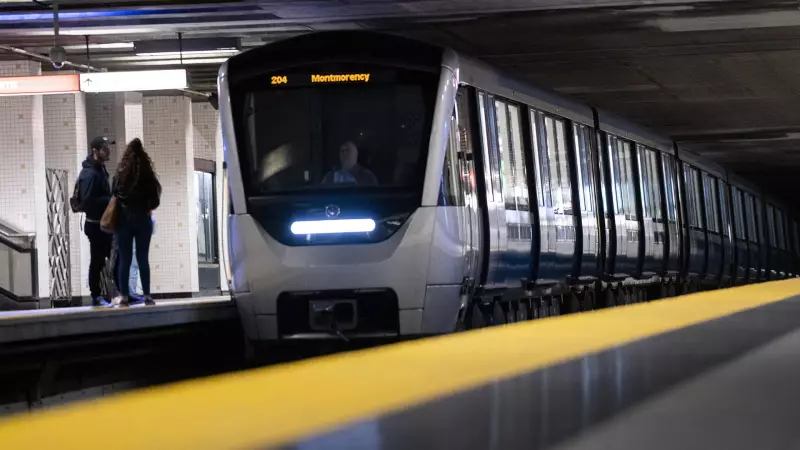
Montreal's public transit authority, the Société de transport de Montréal (STM), has presented a 2026 budget that includes significant cutbacks. The agency is simultaneously making a public plea for increased and stable funding from higher levels of government to sustain essential services.
A Budget Forced to Make Reductions
The financial plan for 2026, released on January 10, 2026, outlines a path of fiscal restraint for the STM. Faced with rising operational costs and financial pressures, the agency has been compelled to identify areas for reduction. While the specific details of the cutbacks were not fully enumerated in the initial announcement, the budget framework signals a period of tightening for one of Canada's largest public transit networks.
The STM's situation highlights a growing challenge for urban transit systems across the country. Inflation, increased wages, and aging infrastructure are driving costs upward, while fare revenue often fails to keep pace. This structural gap places immense pressure on operating budgets, forcing difficult decisions about service levels and maintenance.

A Direct Appeal for More Public Funds
Central to the STM's budget announcement is a stark warning and a direct appeal. Agency officials are explicitly pleading for more public transit funds from provincial and federal governments. The argument presented is that without a renewed and substantial commitment to public transit financing, the quality and reach of service in Montreal will inevitably decline.
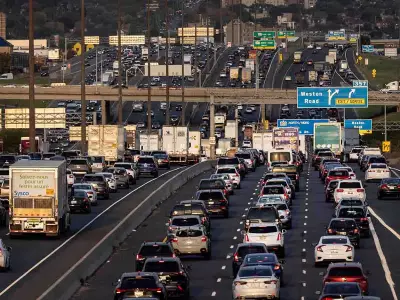
The call for funding is not framed as a request for luxury, but as a necessity for the city's economic health, environmental goals, and social equity. A reliable and extensive transit network is crucial for reducing traffic congestion, meeting climate targets, and ensuring affordable mobility for all residents, particularly those without access to a car.
Potential Impacts on Riders and the City
The implementation of a budget with cutbacks raises immediate concerns for daily commuters. Potential impacts could manifest in several ways, though the STM will likely seek to minimize direct effects on peak-hour service. Riders might face:
- Reduced frequency on certain bus or Metro lines, especially during off-peak hours.
- Delays in network upgrades or the rollout of new initiatives.
- Increased reliance on existing infrastructure, potentially leading to more crowded vehicles.
The broader consequence for Montreal is a threat to its urban vitality. A weakened transit system can deter downtown business, increase pollution, and deepen transportation inequality. The STM's budget release acts as a catalyst for a larger conversation about how Canadian cities will fund and prioritize sustainable public transportation in the coming decade.
The coming months will be critical as the STM engages with the Quebec government and other stakeholders to secure its financial future. The 2026 budget serves as both a practical plan and a political document, underscoring the urgent need for a new funding model to keep Montreal moving.