Metrolinx to Equip Transit Staff with Body Cameras for Enhanced Safety
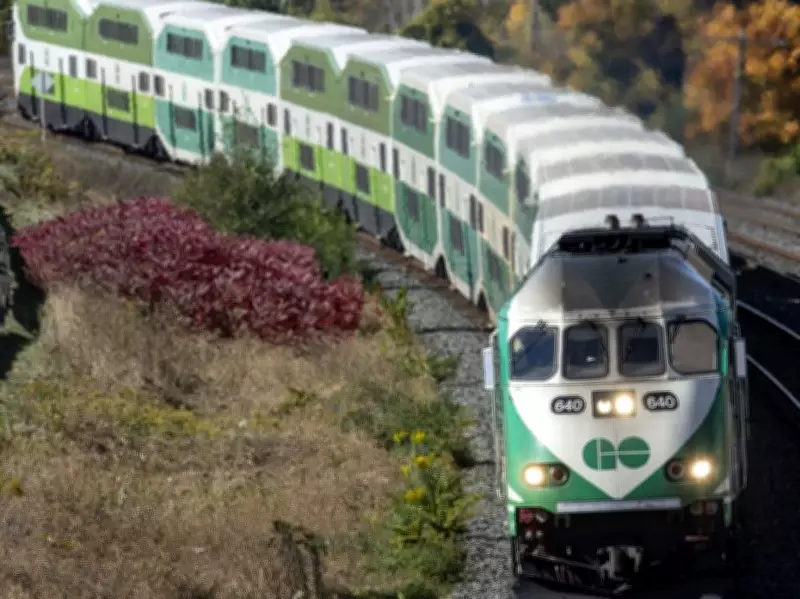
OTTAWA — In a move to bolster safety and security across its transit networks, Metrolinx has announced plans to equip certain public-facing employees with body-worn cameras starting this spring. The initiative targets GO Transit and UP Express services, aiming to create a safer environment for both passengers and staff by leveraging technology to reduce confrontations and promote transparency.
Cameras Aimed at Reducing Confrontations and Increasing Accountability
According to Metrolinx, research on body-worn camera programs indicates that their presence can help de-escalate verbal and physical altercations with staff. The cameras are designed to encourage accountability among all parties involved, foster fair behavior during interactions, and provide clearer evidence when incidents require review. This approach supports greater transparency throughout the transit system, aligning with broader efforts to enhance public trust.
"Cameras encourage accountability for everyone involved, promote fair behaviour during interactions, provide clearer evidence when incidents need to be reviewed, and support greater transparency across the system," Metrolinx stated in an online announcement.

Targeted Deployment to High-Interaction Roles
The body-worn cameras will be distributed to employees who have the most direct contact with customers, including:
- Uniformed security officers, known as customer protection officers
- Revenue protection officers
- Station safety ambassadors
In addition to the body cameras, Metrolinx will install in-vehicle video dash cameras across the GO Transit and UP Express fleet. These dash cameras are intended to complement the body-worn units by capturing interactions from multiple angles, thereby creating a more comprehensive and consistent record of notable events.
Strict Usage Policies and Privacy Safeguards
Metrolinx has established specific guidelines for the use of these cameras to balance safety with privacy concerns. Body-worn cameras will only be activated during particular scenarios, such as:
- Safety-related incidents
- Investigations
- Instances where passengers fail to provide valid proof of payment in fare-paid zones
Employees are trained to notify customers when recording begins, and the cameras feature visual and auditory indicators—like a flashing red light and periodic beeps—to signal when they are active, similar to those used by police officers.
The agency emphasizes that the program includes robust privacy protections. All footage will be stored securely with strict access controls, ensuring that only authorized personnel can review it. These measures are designed to safeguard passenger privacy while maintaining the integrity of the safety initiative.
Building on Existing Local Precedents
Body-worn cameras are not a novel concept in the Toronto area. Toronto Police Service began deploying them to frontline officers in August 2020, and the Toronto Transit Commission (TTC) introduced body cameras for special constables and fare inspectors in January 2025 after a nine-month pilot program. Metrolinx's adoption of this technology reflects a growing trend in public transportation to integrate surveillance tools for enhanced security and operational efficiency.
As Metrolinx rolls out this program, it aims to set a new standard for safety in regional transit, potentially influencing other agencies to follow suit. The initiative underscores a commitment to leveraging modern technology to address safety challenges in increasingly busy urban transit environments.