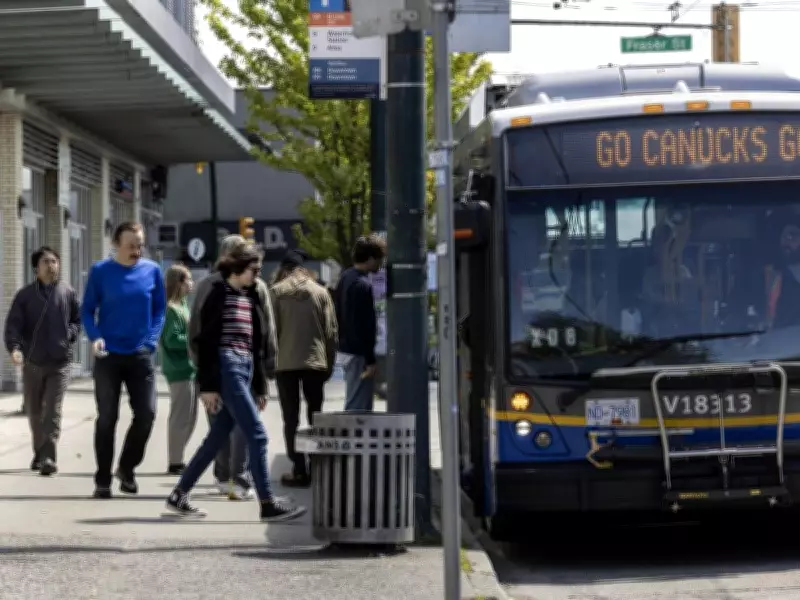
Metro Vancouver Transit Ridership Declined in 2025 Amid Population Slowdown
Public transportation use in Metro Vancouver experienced a slight decline in 2025 compared to the previous year, according to recent data from TransLink. This drop comes as population growth in the region has slowed significantly, impacting overall transit numbers. Despite this temporary setback, TransLink projects a return to pre-COVID ridership levels by 2030, signaling optimism for the future of transit in the area.
Key Factors Behind the Ridership Decline
The primary driver behind the 2025 ridership decrease was a marked slowdown in regional population growth. After three years of unprecedented increases, Metro Vancouver's population grew by less than 1% in 2025. This slowdown is largely attributed to federal immigration policy changes aimed at reducing the number of non-permanent residents in the region.
Additionally, the number of young adults aged 19 to 34 in Metro Vancouver decreased by 3% in 2025. This demographic has historically been the highest transit users on a per-capita basis, making their reduction particularly impactful on overall ridership numbers. The decline in this age group contributed disproportionately to the transit usage drop.

Detailed Ridership Statistics and Trends
TransLink recorded a total of 237.62 million rides and 396.35 million boardings in 2025, with approximately 900,000 different customers using transit services during an average fall week. However, overall ridership declined by about 1.5% compared to 2024, remaining below pre-COVID levels.
The data reveals varying trends across different transit modes:
- Bus services experienced a 2.5% decrease in ridership
- Expo and Millennium SkyTrain lines saw a 2.6% decline
- Canada Line actually increased ridership by 1.1%
- SeaBus ridership grew by 3.8%, with weekend traffic exceeding pre-COVID levels
Regional Variations and Contributing Factors
Transit users primarily come from several key areas: Vancouver/UBC, Burnaby/New Westminster, and south of the Fraser east (including Surrey, Langley, White Rock, and North Delta). All these regions experienced ridership declines in 2025, with the south of the Fraser east area showing the steepest drop at 5.8% below 2024 levels.
TransLink acknowledges that overcrowding on certain routes may have contributed to the decline in these municipalities. The agency's data also indicates that more people across the region are choosing to drive rather than use public transportation. Vehicle numbers on the road increased by 1.5% from 2024, though this represents a smaller increase compared to previous years.
Future Outlook and Recovery Projections
Despite the 2025 decline, TransLink remains optimistic about the future of public transportation in Metro Vancouver. The agency's transportation planning experts, including Vice-President Sarah Ross and Director Ilan Elgar, emphasize that the current downturn is temporary. They project that ridership will gradually recover and return to pre-COVID numbers by 2030.
The recovery is expected to be driven by several factors, including potential adjustments to immigration policies, economic growth in the region, and continued investment in transit infrastructure. TransLink's long-term planning accounts for these variables while working to address current challenges such as overcrowding and service reliability.
As Metro Vancouver continues to evolve, public transportation remains a crucial component of the region's transportation network. The 2025 ridership decline serves as a reminder of how demographic shifts and policy changes can impact transit usage, while TransLink's projections offer hope for a robust recovery in the coming years.