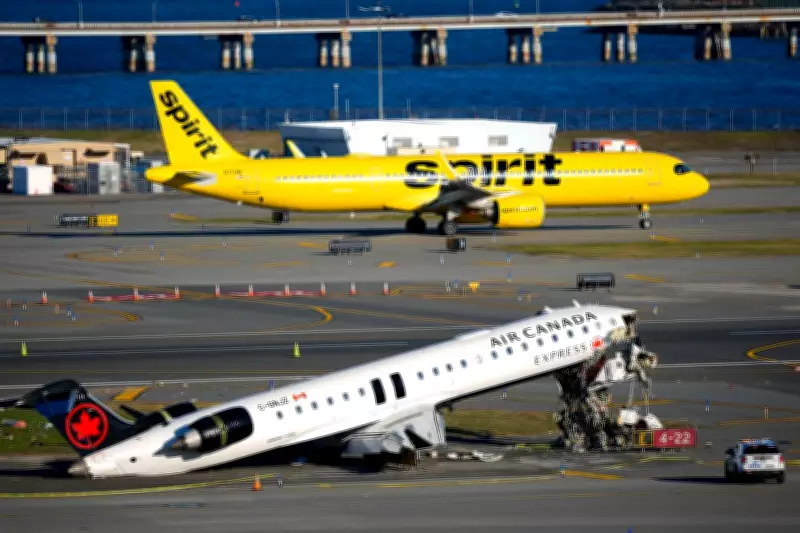
Fire Truck in Deadly LaGuardia Crash Lacked Equipment to Trigger Warning System, NTSB Finds
The National Transportation Safety Board (NTSB) has disclosed that the fire truck involved in a fatal collision at New York's LaGuardia Airport was missing critical equipment needed to activate a runway warning system. This revelation comes from an ongoing investigation into the crash that resulted in multiple fatalities, highlighting significant safety oversights in airport emergency response protocols.
Details of the Incident and Investigation
According to the NTSB, the fire truck, which was responding to an emergency, lacked the necessary transponder or other devices to trigger the Airport Surface Detection Equipment, Model X (ASDE-X) system. This system is designed to alert air traffic controllers and pilots to potential ground collisions by detecting vehicles on runways and taxiways. Without this equipment, the fire truck remained undetected, contributing to the catastrophic collision with an aircraft.
The crash, which occurred in March 2026, involved an Air Canada jet and the fire truck, leading to the deaths of two Canadian pilots and injuries to several emergency personnel. The NTSB's preliminary report indicates that the absence of warning system compatibility was a key factor in the accident, raising questions about the adequacy of safety measures for ground vehicles at major airports.

Safety Implications and Broader Context
This incident underscores the importance of integrating all airport vehicles, including emergency responders, into advanced warning systems. The ASDE-X system, used at many U.S. airports, relies on vehicles being equipped with specific technology to ensure real-time tracking and alerts. The fire truck's deficiency in this area points to potential gaps in regulatory compliance and maintenance checks.
In response to the crash, the NTSB is urging airports nationwide to review and update their vehicle safety protocols. Recommendations may include mandatory equipment upgrades for all ground vehicles operating in critical areas, as well as enhanced training for personnel on system usage. The board emphasizes that such measures are crucial to preventing similar tragedies in the future, especially as air traffic continues to increase.
Ongoing Investigations and Future Steps
The NTSB's investigation is ongoing, with further analysis expected to examine other contributing factors, such as communication breakdowns and human error. The air traffic controller involved has reportedly admitted fault, but the NTSB cautions against taking such statements at face value without a thorough review of all evidence.
As the probe continues, stakeholders in the aviation industry are calling for swift action to address these safety vulnerabilities. The Federal Aviation Administration (FAA) may consider new regulations to ensure all airport vehicles are equipped with necessary warning system technology, potentially mandating retrofits or replacements for non-compliant units.
This crash serves as a stark reminder of the complex interplay between technology, regulation, and human factors in aviation safety. With the NTSB's findings now public, the focus shifts to implementing changes that can safeguard against similar incidents, ensuring that emergency responders are fully integrated into the safety networks designed to protect lives on the ground and in the air.