Edmonton's Bus Rapid Transit Plan: A Five-Year Journey to Enhanced Commuting
The city of Edmonton is moving forward with its ambitious Bus Rapid Transit (BRT) plan, a major initiative designed to transform public transportation across the urban landscape. This system promises to make commuting faster and more efficient for residents who rely on transit, but its implementation involves significant planning, costs, and potential road disruptions that will unfold over the coming years.
Initial Routes and Timeline
The BRT plan will launch with two key routes, known as B1 and B2, which are projected to become operational in approximately five years or more. These routes were initially identified as far back as 2004 and are now entering a critical phase of development.
Route B1 is planned to run from Castle Downs through Downtown, extending towards Century Park. Route B2 will connect West Edmonton Mall to Bonnie Doon Mall. Both corridors will pass through the University of Alberta area, serving as vital links for students, faculty, and the broader community.

How BRT Works
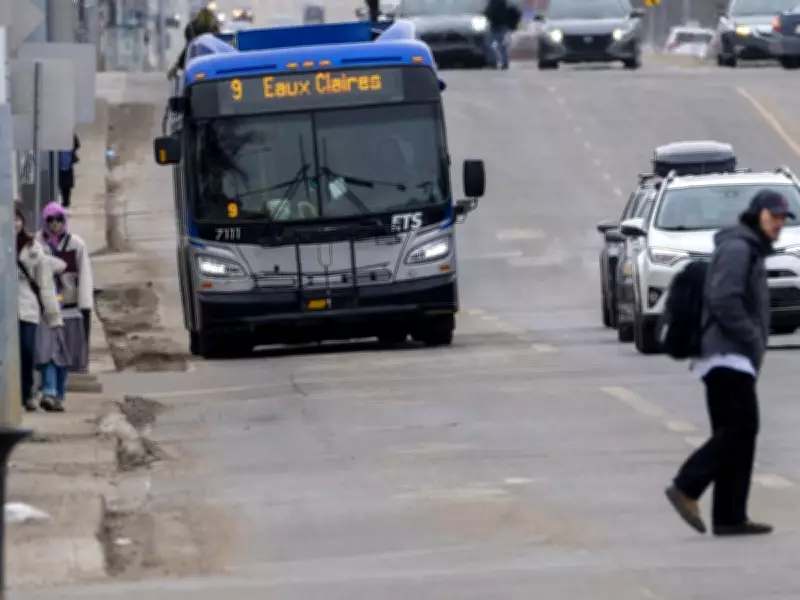
Each BRT lane will be dedicated exclusively to public transit and emergency vehicles, mirroring the existing bus lane on 109 Street between 82 Avenue and Saskatchewan Drive. This dedicated infrastructure aims to minimize delays caused by traffic congestion, allowing buses to move people across the city more swiftly and reliably.
Similar BRT systems are already operational in cities like Calgary, Ottawa, and Vancouver, demonstrating their potential to enhance urban mobility. By separating buses from general traffic, BRT may also improve travel times for private vehicles by reducing interactions between cars and buses, leading to smoother traffic flow overall.
Planning and Infrastructure
A finalized proposal for the B1 and B2 routes is scheduled to be presented to Edmonton City Council later this year. Additionally, council discussions on BRT will coincide with an update on the Southeast Transit Garage, set for review on April 8.
The BRT initiative is part of a broader suite of transit priority measures that favor public transportation within the existing road network. Beyond dedicated bus lanes, these measures include:
- Upgrading the city's traffic-signal system to incorporate bus advanced signals.
- Installing sensors at intersections to monitor vehicle usage and adjust traffic lights dynamically, reducing idle time at red lights when no cross-traffic is present.
- Conducting periodic system analyses every four years to identify and address bottlenecks and other operational challenges.
Ridership Trends and Future Needs
Public transit usage in Edmonton has been on an upward trajectory, despite a temporary dip during the teachers' strike in the fall. In 2025, the city recorded 61.8 million riders, reflecting a 16 per cent increase from 2023 levels and a 12 per cent rise compared to pre-pandemic figures.
This growth underscores the necessity for expanded transit infrastructure. Implementing the BRT system will require additional buses, a need that will be addressed upon the completion of the Southeast Transit Garage, currently estimated for 2031.
The success of Edmonton's BRT plan hinges on strategic investments across all transportation modes, as emphasized by proponents who argue that enhancing choices is key to building a more connected and efficient city.