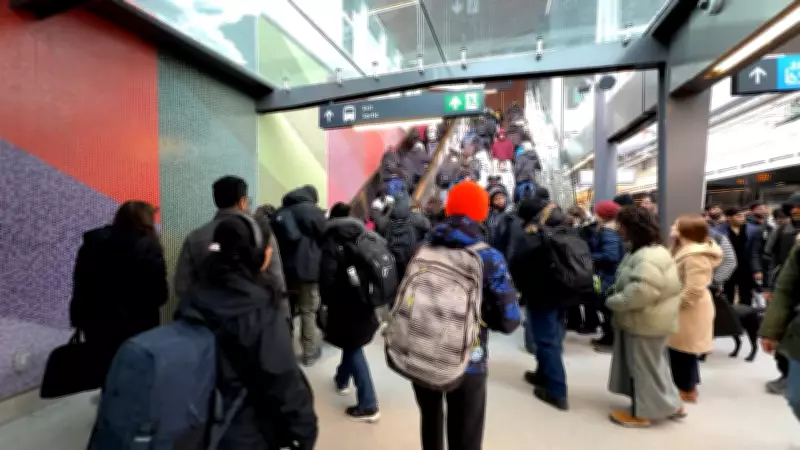
Ottawa's Confederation Line Spalling Issue Continues to Squeeze Capacity and Crowd Platforms
The persistent spalling problem on Ottawa's Confederation Line, also known as O-Train Line 1, is significantly constraining operational capacity, resulting in overcrowded platforms and heightened passenger inconvenience. According to recent reports, the line is currently operating at a reduced capacity, forcing commuters to endure longer wait times and packed conditions during peak travel periods.
Ongoing Infrastructure Challenges
Spalling, which refers to the cracking and breaking away of concrete surfaces, has plagued the Confederation Line since its inception, undermining the reliability of Ottawa's primary light rail transit system. This structural issue necessitates frequent maintenance and speed restrictions, directly impacting the number of trains that can safely run simultaneously. As a consequence, transit authorities have been compelled to implement service reductions, exacerbating congestion at key stations throughout the network.
Passengers have expressed growing frustration as they navigate crowded platforms, particularly during morning and evening rush hours. The reduced frequency of trains has led to longer intervals between arrivals, causing backups that spill over into station entrances and surrounding areas. This situation not only affects daily commuters but also poses potential safety concerns due to the increased density of people in confined spaces.

Impact on Transit Reliability and City Mobility
The capacity squeeze has broader implications for Ottawa's urban mobility, as the Confederation Line is a critical artery connecting eastern and western parts of the city. With fewer trains in operation, alternative transportation modes, such as buses and private vehicles, may experience heightened demand, potentially leading to increased traffic congestion and longer travel times across the region. This disruption highlights the ongoing challenges in maintaining aging or flawed transit infrastructure in major Canadian cities.
Transit officials have acknowledged the issue and are reportedly working on both short-term mitigations and long-term solutions to address the spalling. However, the timeline for a full resolution remains uncertain, leaving commuters to cope with the immediate effects of reduced service. The situation underscores the importance of robust construction standards and proactive maintenance in public transit projects to ensure sustainable and efficient operations.
Looking Ahead: Solutions and Community Response
In response to the ongoing problems, there have been calls for increased transparency and accelerated repair efforts from local government and transit agencies. Community advocates emphasize the need for reliable public transportation to support economic activity and environmental goals, such as reducing carbon emissions by encouraging transit use. The spalling issue serves as a reminder of the complexities involved in managing large-scale infrastructure and the critical need for investment in durable, high-quality materials and construction practices.
As Ottawa continues to grow, the reliability of its transit system will be paramount in shaping the city's future development and quality of life for residents. The current challenges with the Confederation Line highlight the delicate balance between expanding public transit networks and ensuring their long-term viability and safety.