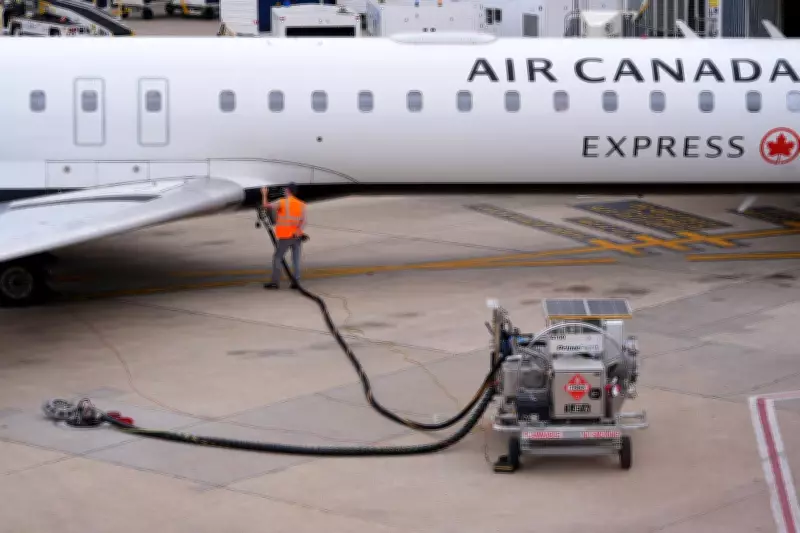
Canadian travelers should brace for persistently higher airfares over the coming months, even if oil supplies resume normal flow in the near future. This sobering outlook emerges as airlines grapple with escalating fuel surcharges directly tied to volatile oil prices and heightened geopolitical tensions, particularly involving Iran.
Fuel Costs and Geopolitical Factors Drive Price Hikes
The aviation industry is facing significant headwinds due to a sharp increase in fuel expenses, which are intrinsically linked to global oil market fluctuations. Ongoing international conflicts and supply chain disruptions have exacerbated this situation, leading to sustained upward pressure on operational costs for airlines. Consequently, these additional expenses are being passed on to consumers through elevated ticket prices and supplementary fees.
Air Canada's Strategic Cabin Redesign Initiative
In response to these challenging market conditions, Air Canada has unveiled a comprehensive cabin redesign program aimed at improving the overall passenger experience. This initiative focuses on enhancing comfort and amenities across various travel classes, potentially offering some value justification for the higher fares. The redesign includes upgraded seating arrangements, improved in-flight entertainment systems, and refined service offerings.

Industry analysts suggest that this move represents a strategic effort by the airline to maintain customer loyalty and competitive advantage during a period of financial strain. By investing in passenger comfort, Air Canada hopes to mitigate some of the negative impacts associated with rising travel costs.
Extended Timeline for Fare Reductions
Even if oil production and distribution networks stabilize promptly, experts caution that airfare reductions will likely be delayed. The complex pricing structures within the aviation sector mean that fuel cost decreases typically take several billing cycles to translate into lower ticket prices for consumers.
Several factors contribute to this extended timeline:
- Pre-existing fuel purchase contracts at higher rates
- Operational adjustments required across airline fleets
- Competitive market dynamics that slow price reductions
- Administrative processes for revising fare structures
Broader Economic Implications
The sustained elevation of air travel costs carries significant implications for both business and leisure travelers across Canada. Corporate travel budgets may require substantial revisions, while families planning vacations might need to reconsider their itineraries or timing. This situation could potentially impact tourism numbers and business connectivity between Canadian regions and international destinations.
The aviation sector's challenges reflect broader economic pressures affecting transportation industries worldwide. As airlines navigate these turbulent conditions, passengers should anticipate continued price volatility and consider planning travel well in advance to secure the most favorable rates available.