Canada Experiencing Net Loss of Air Traffic Controllers, Aviation Expert Reports
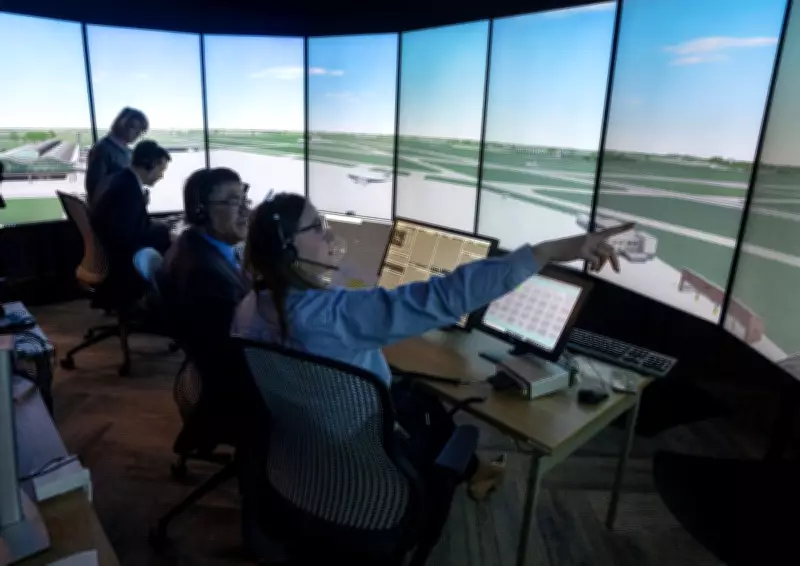
Canada is currently facing a concerning net loss of air traffic controllers, according to a recent expert analysis. This trend raises significant alarms about the nation's aviation infrastructure and safety protocols, as these professionals play a crucial role in managing airspace and ensuring the secure movement of aircraft.
Staffing Shortages and Safety Implications
The decline in air traffic controller numbers comes at a time when air travel demand is rebounding post-pandemic, potentially straining existing personnel and increasing risks. Experts warn that understaffing can lead to increased workloads, fatigue, and heightened error rates, which may compromise aviation safety. This issue is particularly pressing given recent incidents, such as the Air Canada crash investigation by the NTSB, which highlighted communication challenges and operational pressures.
Factors contributing to the net loss include retirement waves, competitive international job markets, and insufficient recruitment and training programs. Without immediate intervention, Canada could see further erosion of its air traffic control capabilities, impacting both domestic and international flights.

Broader Context and Related Concerns
This staffing crisis intersects with other aviation-related issues in Canada, such as increased ICE presence at U.S. airports raising concerns for Canadian travelers, and ongoing debates over language policies in aviation communications. The situation underscores the need for comprehensive strategies to retain and attract skilled professionals in critical transportation roles.
Addressing this net loss will require coordinated efforts from government agencies, aviation authorities, and educational institutions to enhance training, improve working conditions, and ensure competitive compensation. Failure to act could have long-term consequences for Canada's transportation network and economic connectivity.