Nav Canada Discloses Critical Shortage of 200 Air Traffic Controllers Nationwide
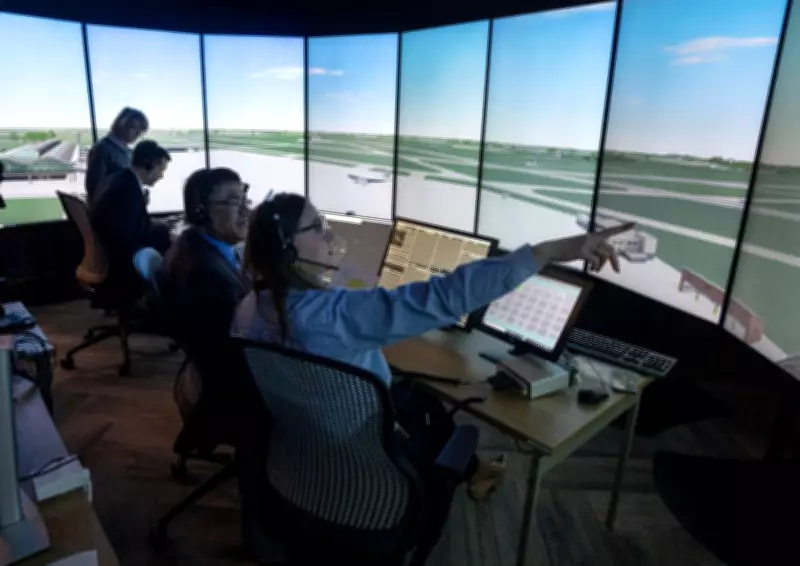
In the aftermath of a devastating runway collision, Nav Canada has issued a stark warning: the country is currently grappling with a severe shortage of approximately 200 air traffic controllers. This revelation comes at a time when aviation safety is under intense scrutiny, following a fatal incident that has prompted widespread calls for systemic reviews and immediate action.
Post-Crash Analysis Highlights Systemic Vulnerabilities
The disclosure follows a tragic crash that involved an Air Canada flight and a fire truck on a runway, an event that investigators are still meticulously examining. Preliminary reports indicate that the fire truck lacked certain essential equipment and had been cleared to cross the runway just moments before the collision occurred. Air traffic control reportedly instructed the vehicle to stop seconds before impact, but the warning came too late.
Survivors of the crash have described scenes of "chaos and panic" upon impact, while tributes pour in for the pilot, Mackenzie Gunther, remembered by colleagues as "one of the best." Former accident investigators have emphasized that this incident underscores the critical need to address the overwhelming workload faced by air traffic controllers, a factor that may have contributed to the tragedy.

Investigative Collaboration and National Implications
The Transportation Safety Board (TSB) of Canada is actively collaborating with the U.S. National Transportation Safety Board (NTSB) in the investigation, with Canadian officials acting as a conduit to facilitate information exchange. This international cooperation highlights the cross-border implications of aviation safety and the shared responsibility to prevent future catastrophes.
Nav Canada's admission of a 200-controller shortfall is not an isolated concern but part of a broader pattern of staffing challenges within critical infrastructure sectors. The shortage raises alarming questions about the capacity to manage Canada's increasingly busy airspace, which includes major hubs and regional airports across the country.
Urgent Calls for Action and Systemic Reforms
Aviation experts and industry stakeholders are urging immediate measures to recruit and train new air traffic controllers, a process that typically requires extensive time and resources. The current deficit suggests that existing personnel may be operating under heightened stress, potentially compromising safety protocols and response times during emergencies.
This situation also intersects with other national issues, such as debates over language policies—evidenced by criticism of Air Canada's CEO for an English-only condolence video—and broader discussions on public safety and infrastructure funding. The controller shortage underscores the need for sustained investment in aviation personnel and technology to ensure that Canada's air travel network remains secure and efficient.
As investigations continue and families affected by the crash seek closure, the revelation of this staffing crisis serves as a sobering reminder of the human and systemic factors at play in aviation safety. Addressing the shortfall of 200 air traffic controllers is now a paramount priority for Nav Canada and federal regulators, with the goal of preventing similar tragedies and restoring public confidence in the nation's air travel system.