British Columbia is on the verge of finalizing a memorandum of understanding with the federal government that could include financial support for the long-awaited replacement of the George Massey Tunnel, Premier David Eby revealed during a news conference in Vancouver.
Funding Details and Partnership
The MOU, which is expected to be signed in the coming weeks, outlines a framework for collaboration on major infrastructure projects. While specific dollar amounts have not been disclosed, sources indicate that the Massey Tunnel replacement is a key component of the agreement. The project, estimated to cost billions, has been a priority for the province to alleviate congestion and improve safety on Highway 99.
Premier Eby emphasized that the partnership with Ottawa reflects a shared commitment to modernizing transportation infrastructure. “This MOU represents a significant step forward in securing the funding needed to replace the Massey Tunnel,” Eby said. “We are working closely with the federal government to ensure this critical project moves ahead.”

Background on Massey Tunnel Replacement
The George Massey Tunnel, which opened in 1959, carries more than 80,000 vehicles daily and is considered a bottleneck for commuters and commercial traffic. Plans for a replacement have been in development for years, with previous proposals including a bridge or a new tunnel. The current design focuses on a immersed tube tunnel with eight lanes, including dedicated transit and cycling infrastructure.
The project has faced delays due to environmental assessments and funding disputes. In 2021, the B.C. government announced a revised plan with a cost estimate of $4.15 billion. Federal support has been seen as crucial to moving the project forward.
Broader Infrastructure Collaboration
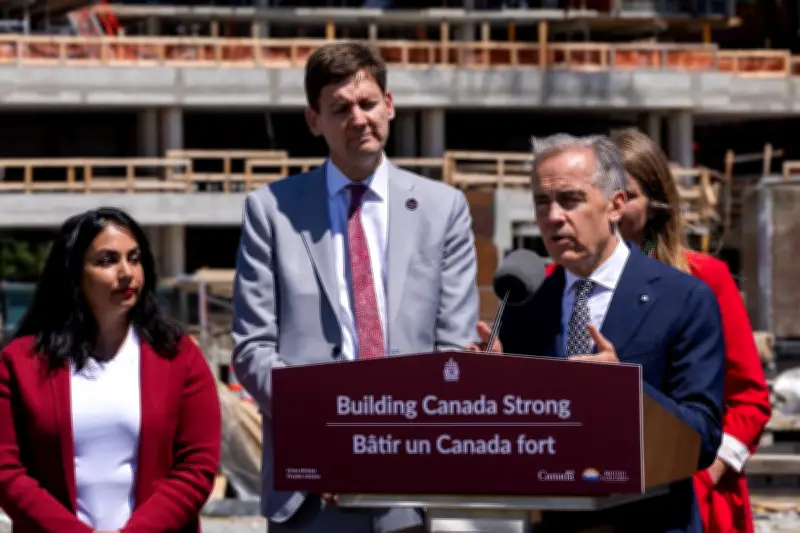
Beyond the Massey Tunnel, the MOU is expected to cover other transportation and housing initiatives. Prime Minister Mark Carney joined Eby at the June 18 news conference to announce a separate housing partnership, signaling a broader alignment between the two governments on infrastructure spending.
“This is about building the infrastructure that Canadians need to thrive,” Carney said. “Our government is committed to working with provinces to deliver projects that create jobs and improve quality of life.”
The MOU is anticipated to include provisions for cost-sharing and timelines for project delivery. Further details are expected once the agreement is formally signed.