The Alberta government, under Premier Danielle Smith, is proposing a significant change for the province's major roadways. A pilot project is in the works to test raising the speed limit on divided highways from 110 kilometres per hour to 120 km/h.
Government Rationale Meets Immediate Criticism
Transportation Minister Devin Dreeshen is spearheading the initiative. The government's reasoning hinges on two main points. First, officials state these highways were engineered to safely accommodate speeds of 120 km/h. Second, and more controversially, a government press release notes that current traffic monitoring shows many vehicles already travel between 120 and 125 km/h on these roads, despite the existing 110 km/h limit.
This logic has drawn sharp criticism. Commentators like Chris Nelson have labelled the move "virtue signalling at its worst," framing it as a superficial policy that aligns with a certain "prairie libertarianism" but ignores more pressing concerns. The criticism intensifies in the context of the government's recent reduction of radar enforcement on provincial highways, suggesting a broader shift away from strict speed regulation.

The Safety Debate: What Does 120 km/h Really Mean?
Opponents argue the government's own data undermines its safety claims. If drivers already commonly exceed 120 km/h under the current limit, critics contend that officially raising the limit will simply encourage even higher speeds. The realistic average speed, they warn, could creep toward 130 km/h.
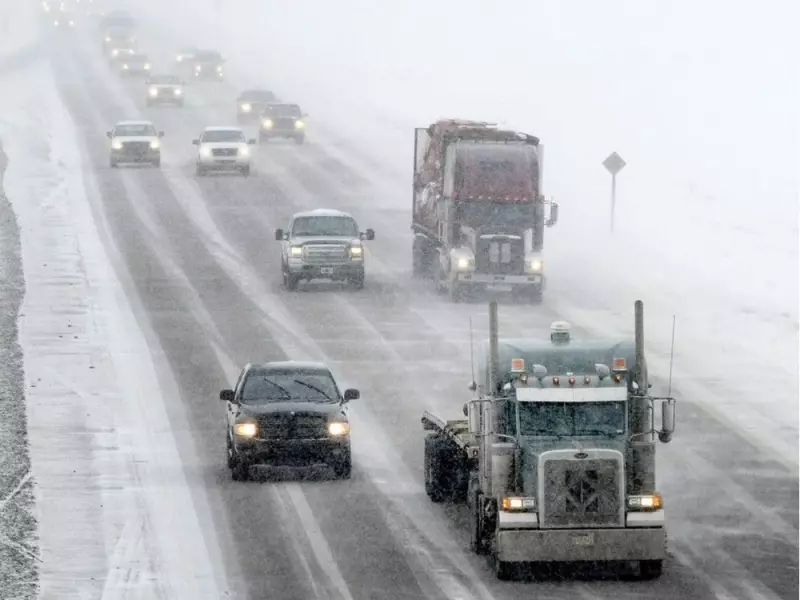
This prospect raises serious safety questions. Engineers build in safety margins for human error and Alberta's variable environmental conditions—like ice, snow, and wildlife. Pushing speeds to the theoretical maximum of the infrastructure, critics analogize, is like running an engine at maximum revolutions continuously; it increases the risk of catastrophic failure. They argue that maintaining the current 110 km/h limit, which already sees widespread non-compliance around 120 km/h, is the safer approach to actually keep speeds in check.
A Call for Different Priorities
The broader critique from commentators is one of governmental focus. Amidst the proposal to let drivers go faster, there is a pointed question for Premier Smith and her cabinet: why this, and why now? Critics urge the provincial leadership to turn its attention to fundamental economic challenges facing Albertans, such as the volatility of oil prices, instead of what they see as a politically motivated change to traffic laws.
The pilot project is slated to begin early in the new year. While framed as a test, the strong support from the UCP cabinet indicates a high likelihood of the change becoming permanent, setting the stage for continued debate over safety, enforcement, and political priorities on Alberta's highways.