Airlines Cancel Flights as Middle East Conflict Escalates
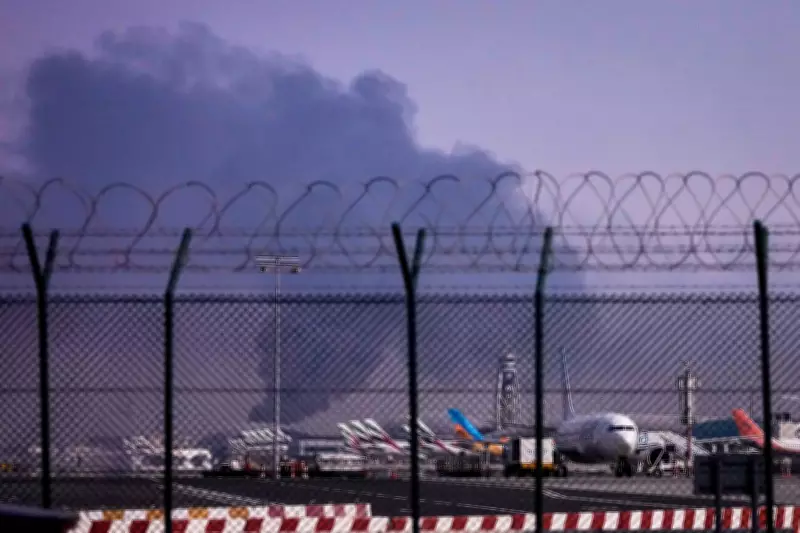
In response to heightened tensions and security threats in the Middle East, numerous airlines have announced widespread flight cancellations to and from the region. This decision comes after a drone strike targeted a fuel tank at Dubai International Airport on March 16, 2026, forcing a temporary suspension of operations and raising serious safety concerns for air travel.
Immediate Impact on Global Aviation
The drone attack, which caused visible smoke and damage at one of the world's busiest aviation hubs, has prompted airlines to reassess their routes and schedules. Carriers are prioritizing passenger safety, leading to cancellations that affect thousands of travelers. The incident underscores the vulnerability of critical infrastructure in conflict zones and has triggered contingency plans across the industry.
While specific airline names were not detailed in the original report, it is clear that both international and regional operators are involved. Travelers are advised to check with their airlines for updates, as the situation remains fluid with potential for further disruptions depending on geopolitical developments.

Broader Economic and Logistical Consequences
Beyond immediate travel inconveniences, these cancellations are expected to have ripple effects on global supply chains and tourism. The Middle East serves as a key transit point for international flights, and prolonged disruptions could impact trade and economic activity. Airlines face increased operational costs due to rerouting and compensation claims, adding strain to an industry already grappling with post-pandemic recovery challenges.
Authorities in the United Arab Emirates and other affected countries are working to enhance security measures at airports, but the ongoing conflict complicates these efforts. The drone strike highlights the evolving nature of threats in modern warfare, where non-state actors can target civilian infrastructure with relatively low-cost technology.
Looking Ahead: Uncertainty for Travelers
As airlines navigate this crisis, passengers are experiencing significant uncertainty. Many are scrambling to rearrange itineraries or seek refunds, with customer service lines overwhelmed by inquiries. Experts recommend that travelers consider travel insurance and stay informed through official channels, as conditions may change rapidly.
The broader implications of this event extend beyond aviation, reflecting how regional conflicts can have global repercussions. With no immediate resolution in sight, the airline industry must balance safety protocols with the need to maintain connectivity, a challenge that will likely persist in the coming weeks.