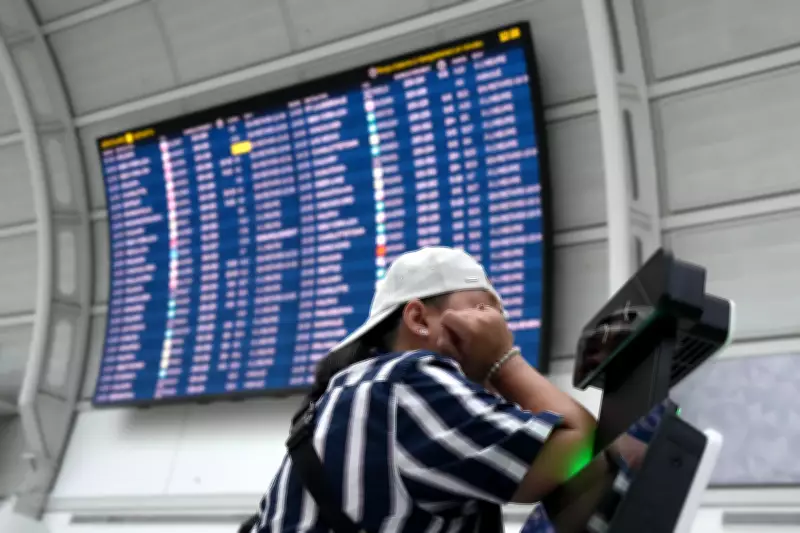
The airline complaints resolution system in Canada is facing a critical juncture as the backlog of unresolved cases inches closer to a staggering 100,000, according to industry experts. This mounting crisis underscores deep-seated inefficiencies and a pressing need for systemic overhaul to safeguard passenger rights and restore trust in air travel governance.
A System Under Strain
Recent analyses reveal that the current framework for handling airline complaints is severely overwhelmed, with delays stretching months or even years. The backlog, now nearing 100,000 cases, includes disputes over flight cancellations, baggage mishandling, and service failures, many exacerbated by recent global disruptions. Experts point to outdated processes, insufficient staffing, and a lack of enforcement power as key contributors to this logjam.
Root Causes of the Crisis
Several factors have converged to create this untenable situation. The post-pandemic surge in travel demand has led to a spike in service issues, while technological outages and extreme weather events have further strained airline operations. Additionally, the complaints system itself is criticized for being bureaucratic and slow, with passengers often facing lengthy waits for resolutions that may not adequately address their grievances.

Expert Calls for Reform
Aviation analysts and consumer advocates are urging immediate action to revamp the complaints resolution mechanism. Proposed reforms include:
- Increased Funding and Resources: Bolstering the agency responsible for complaints with more staff and modern technology to expedite case processing.
- Enhanced Enforcement Powers: Granting authorities the ability to impose stricter penalties on airlines that consistently fail to meet service standards.
- Streamlined Processes: Simplifying the submission and tracking of complaints to reduce administrative bottlenecks.
- Greater Transparency: Implementing regular public reporting on complaint statistics and resolution timelines to hold airlines accountable.
Broader Implications for Passengers
The backlog not only frustrates individual travelers but also erodes confidence in the aviation sector as a whole. Passengers left in limbo may experience financial losses, disrupted plans, and emotional distress, with little recourse in a system that seems increasingly unresponsive. This situation highlights a broader need for passenger-centric policies that prioritize timely and fair resolutions.
Looking Ahead
As the backlog approaches 100,000 cases, the urgency for reform cannot be overstated. Stakeholders, including government bodies, airlines, and consumer groups, must collaborate to design a more efficient and equitable system. Without swift intervention, the complaints crisis could worsen, potentially leading to regulatory backlash and further damage to Canada's reputation in global aviation.
In conclusion, the near-100,000 backlog in airline complaints serves as a stark reminder of systemic failures in passenger protection. Addressing this issue requires concerted efforts to modernize processes, enhance accountability, and ensure that travelers' voices are heard promptly and effectively.