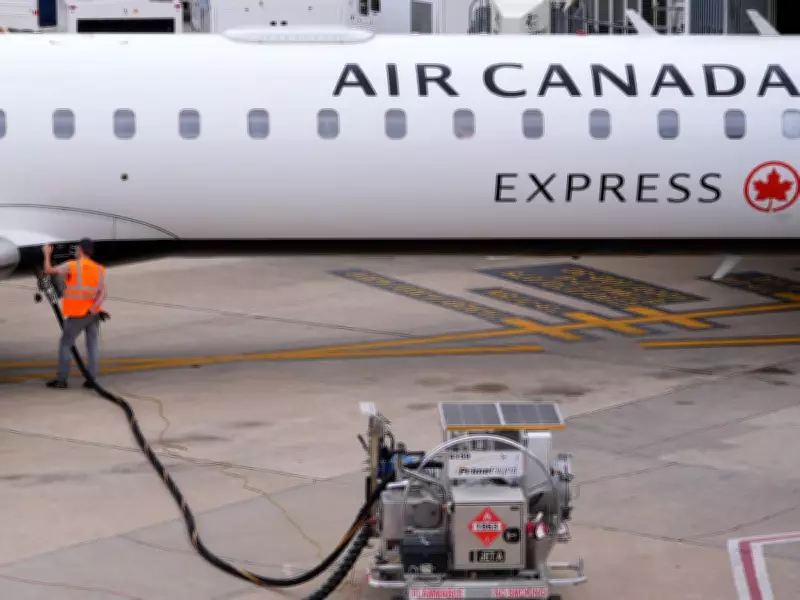
Canadian Airfares Experience First Increase in Nearly Two Years
For the first time since June 2024, airfares in Canada have risen, according to the latest consumer price index data released by Statistics Canada. The March figures reveal a significant shift in travel costs that consumers have not witnessed in nearly two years.
Significant Year-Over-Year and Monthly Increases
The CPI data shows airfares were up 2.9 percent year-over-year in March 2026. More dramatically, the monthly increase from February to March reached 4.9 percent, substantially higher than the 1.2 percent monthly increase recorded in March 2025. This represents a notable acceleration in airfare inflation that has caught the attention of both travelers and industry analysts.
Jet Fuel Prices Drive Airfare Hikes
National Bank analyst Cameron Doerksen explained in a client note that much of the increase stems from the recent spike in jet fuel prices. The disruption began when the U.S.-Israel conflict with Iran interfered with tanker traffic through the critical Strait of Hormuz, sending energy prices soaring across global markets.

"With jet fuel prices spiking significantly since the end of February, much of the increase is likely being driven by airlines passing on some of the increased costs through higher airfares," Doerksen noted. "Most airlines have already implemented fuel surcharges to offset these rising expenses."
Airline Responses and Operational Adjustments
The impact on airline operations has been immediate and significant. Air Canada, the country's largest carrier, has suspended operations at John F. Kennedy International Airport in New York City for five months during the peak summer travel season. According to the airline, surging fuel costs have rendered "some lower profitability routes" economically unsustainable.
Peter Fitzpatrick, Air Canada's manager of corporate communications, confirmed in an email that while there has been no immediate operational impact from jet fuel shortages, the price doubling since the Iran conflict began has forced difficult decisions. "Some lower profitability routes and flights are no longer economic, and we are making schedule adjustments accordingly," Fitzpatrick stated.
Industry-Wide Pricing Strategies
The trend extends beyond Air Canada. Air Transat has increased fuel surcharges on European routes, incorporating them into total ticket prices. During the company's March 11 earnings call, CEO Annick Guérard revealed the carrier is raising fares on peak travel dates and routes where they encounter less competition and have greater pricing flexibility.
Short-Term Outlook and Demand Considerations
Doerksen anticipates fares will remain elevated in the short term, noting that Air Canada has reported strong booking demand despite the higher prices. However, he cautions that sustained high fuel prices could test this resilience. "If high fuel prices persist, however, the ability to keep fares high will depend on the strength of demand," he wrote. "Higher airfares typically lead to some demand destruction over time."
The airfare increase comes amid broader inflationary pressures, with Canada's overall inflation rate recently jumping to 2.4 percent, partly fueled by gas price shocks. Economists suggest that without the Middle East tensions affecting energy markets, the Bank of Canada might be considering rate cuts to stimulate economic activity.
As travelers prepare for the summer season, they face the reality of significantly higher air travel costs driven by geopolitical events thousands of miles away. The airline industry's ability to balance these increased costs with consumer demand will shape travel affordability in the coming months.