Winnipeg Businesses Turn to Pulldown Security Shutters Amid Rising Crime Concerns
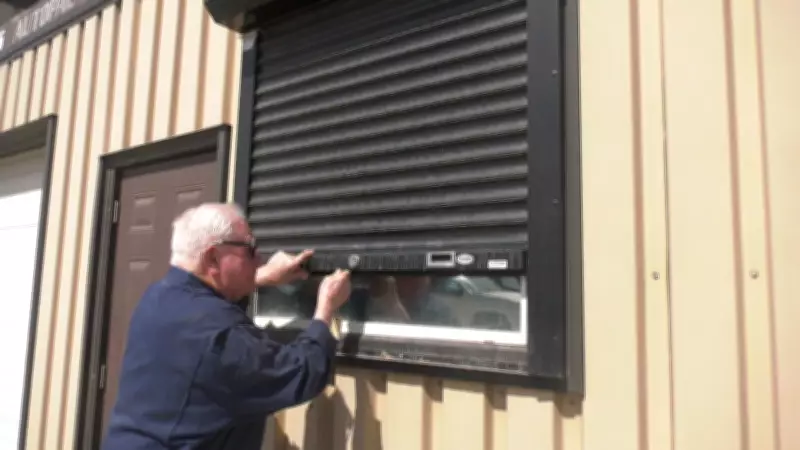
In response to escalating crime rates across Winnipeg, local business owners are increasingly turning to robust physical security solutions. One prominent example is Harold Erickson, who has installed heavy-duty pulldown security shutters on a building he rents out in front of his automotive shop located on McPhillips Street. This move reflects a broader trend in the city, where entrepreneurs are proactively seeking ways to safeguard their properties and investments against potential criminal activity.
A Growing Demand for Enhanced Protection
The installation of these security shutters represents a significant shift in how Winnipeg businesses approach crime prevention. Traditionally, many relied on standard locks and alarm systems, but the rising frequency of break-ins and vandalism has prompted a reevaluation of security strategies. Pulldown shutters offer a formidable barrier, making it considerably more difficult for intruders to gain unauthorized access to commercial premises.
Harold Erickson's decision to equip his property with these shutters underscores a practical response to the challenging security environment. By investing in this physical deterrent, he aims to protect not only the building itself but also the valuable assets and inventory housed within. This proactive measure is becoming increasingly common among business owners who are determined to mitigate risks and ensure the continuity of their operations.

The Broader Context of Urban Security
This trend towards enhanced security installations occurs against a backdrop of ongoing concerns about public safety in Winnipeg. While specific crime statistics for 2026 are not detailed in the original report, the actions of business owners like Erickson suggest a perceived need for stronger defensive measures. The visual presence of security shutters can also serve as a psychological deterrent, signaling to potential offenders that a property is well-protected and not an easy target.
Furthermore, the adoption of such measures highlights the intersection of private security initiatives and broader community safety efforts. As businesses fortify their properties, they contribute to a more secure urban landscape, potentially reducing opportunities for crime and fostering a greater sense of stability in commercial districts. This collective action reflects a community-driven approach to addressing security challenges, where individual precautions collectively enhance the overall safety of the area.
Implications for Business Operations and Community Relations
The move towards installing pulldown security shutters also has implications for daily business operations and community relations. For owners, the initial investment in these systems is balanced against the potential costs of theft, damage, and operational disruptions caused by criminal incidents. By preventing break-ins, businesses can avoid costly repairs, inventory losses, and insurance claims, thereby protecting their financial health and ensuring smoother operations.
From a community perspective, the increased use of security shutters may influence the aesthetic and functional dynamics of neighborhood streets. While these installations prioritize safety, they also raise considerations about urban design and the balance between security and openness. However, for many business owners, the primary concern remains the protection of their livelihoods, making physical security enhancements a necessary and pragmatic choice in the current climate.
In conclusion, the growing demand for pulldown security shutters in Winnipeg, as exemplified by Harold Erickson's automotive shop, signals a significant shift in how local businesses are responding to crime. This trend underscores a proactive stance on property protection, driven by a desire to safeguard assets and ensure operational continuity. As more entrepreneurs adopt similar measures, the landscape of urban security in Winnipeg continues to evolve, reflecting a community-wide commitment to resilience and safety in the face of ongoing challenges.