Vancouver's Proposed 'Nano Hotel' Aims to Revolutionize Downtown Accommodation
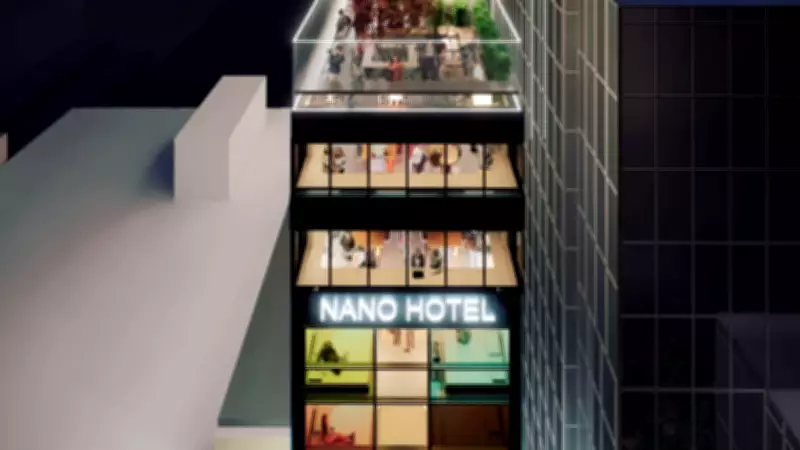
A novel concept for a "nano hotel" is being pitched for downtown Vancouver, as revealed in a rendering from Unison Architecture. This innovative proposal features compact pod-style rooms designed to provide affordable and minimalist lodging options in the heart of the city.
The concept, which has gained attention for its potential to address accommodation shortages and high costs, showcases a modern approach to urban hospitality. According to sources, the design emphasizes efficiency and sustainability, with small, self-contained units that maximize space without compromising comfort.
Design and Features of the Pod Hotel
Unison Architecture's rendering depicts a sleek, futuristic building with modular pods that offer basic amenities for short-term stays. These pods are expected to include essentials such as beds, storage, and connectivity features, catering to budget-conscious travelers and urban explorers.

The proposal aligns with global trends in micro-living and smart city initiatives, aiming to reduce the environmental footprint of traditional hotels. By utilizing minimal space and resources, the nano hotel could set a new standard for eco-friendly accommodations in Vancouver.
Potential Impact on Vancouver's Tourism and Housing
If approved, this development could significantly impact Vancouver's tourism sector by providing more affordable options in a city known for its high lodging costs. It may also influence local housing markets by introducing alternative models that prioritize accessibility over luxury.
Experts suggest that such projects could help alleviate pressure on rental markets, as they target temporary visitors rather than long-term residents. However, concerns about zoning regulations and community integration remain, with stakeholders calling for thorough public consultations.
The nano hotel proposal represents a bold step forward in reimagining urban spaces, blending innovation with practicality to meet the evolving needs of modern travelers.