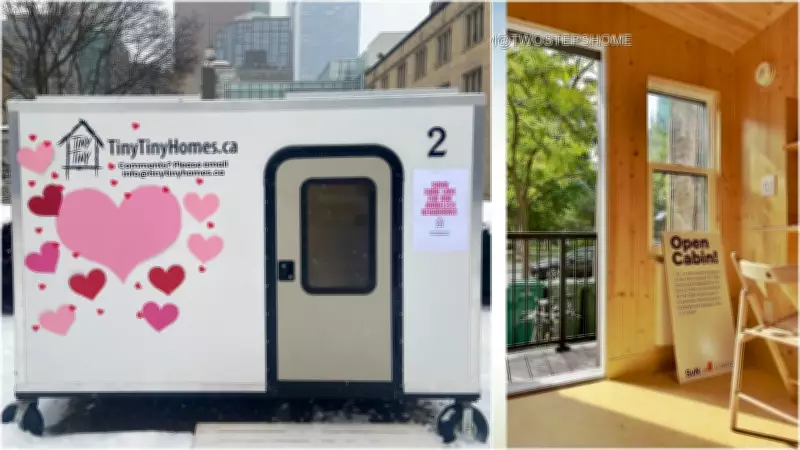
Toronto Explores Micro-Shelter Communities as Innovative Solution to Homelessness Crisis
The City of Toronto is actively considering the establishment of micro-shelter communities as a novel strategy to combat its escalating homelessness issue. This initiative involves deploying compact, temporary housing units designed to provide safe and dignified shelter for individuals experiencing homelessness, with the goal of creating supportive, community-oriented environments.
How Micro-Shelter Communities Would Operate in Toronto
Under the proposed framework, micro-shelter communities would consist of small, standalone units supplied by companies such as Tiny Tiny Homes and Two Steps Home. These structures are typically equipped with basic amenities like heating, electricity, and sleeping areas, offering a more stable alternative to emergency shelters or street living. The communities would be managed with on-site support services, including access to healthcare, counseling, and employment assistance, to help residents transition to permanent housing.
The concept aims to address the urgent need for affordable housing in Toronto, where rising costs and limited availability have exacerbated homelessness. By creating these communities, the city hopes to reduce the strain on traditional shelter systems and provide a scalable, cost-effective solution that can be implemented relatively quickly compared to conventional housing projects.

Potential Benefits and Challenges
Proponents argue that micro-shelter communities offer several advantages, including improved safety and privacy for residents, fostering a sense of community, and enabling targeted support services. They are also seen as a flexible option that can be adapted to various urban sites, such as underutilized public lands or parking lots.
However, challenges remain, such as securing suitable locations, ensuring compliance with zoning regulations, and garnering public support. Critics may raise concerns about the long-term sustainability of such communities and their integration into neighborhoods. The city will need to engage in thorough planning and community consultation to address these issues effectively.
If approved, Toronto's micro-shelter initiative could serve as a model for other municipalities grappling with similar homelessness crises, highlighting the potential of innovative, small-scale housing solutions in urban settings.