Shoreline Residents Voice Anger Over New Floodplain and Dynamic Beach Designations
Residents along the shoreline in Point Clark, Ontario, are expressing significant frustration and concern following recent changes to floodplain mapping and the introduction of new dynamic beach zones. These regulatory updates, which could have profound impacts on local property owners, have ignited a heated debate over land use and environmental management in the community.
Property Owner Michael Bayer Leads the Charge
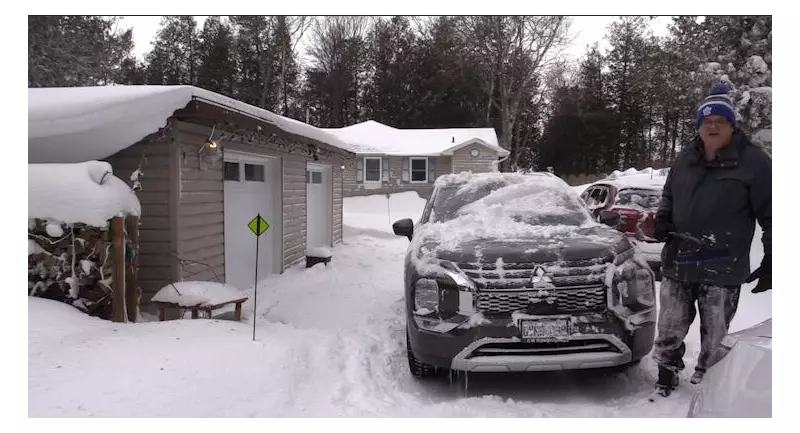
Michael Bayer, a property owner in Point Clark, has emerged as a vocal critic of the new zoning measures. He is deeply upset by the dynamic beach and floodplain mapping changes that threaten to affect his home and potentially devalue his property. Bayer argues that these modifications were implemented without adequate consultation or consideration for the residents who will bear the brunt of the consequences.
The core issue revolves around the expanded floodplain boundaries and the designation of dynamic beach areas, which are intended to account for natural shoreline processes and climate change impacts. However, many locals fear that these changes will impose severe restrictions on property development, increase insurance costs, and limit their ability to enjoy or modify their land.

Broader Implications for the Community
This controversy is not isolated to a single homeowner. Numerous other shoreline residents in the Point Clark area share similar grievances, creating a unified front of opposition. They contend that the new zones could render portions of their properties unusable or subject to stringent regulations that hinder everyday use and future plans.
Environmental officials defend the updates as necessary for long-term sustainability and public safety, citing increased risks from erosion and flooding due to climate change. Yet, residents argue that the implementation lacks transparency and fails to balance ecological concerns with the rights and investments of property owners.
Potential Legal and Financial Repercussions
The introduction of these zones may lead to several significant outcomes for affected residents:
- Increased property insurance premiums due to higher perceived flood risks.
- Restrictions on building permits and renovations, limiting property improvements.
- Potential decreases in property values, impacting homeowners' financial stability.
- Possible legal challenges as residents seek to contest the zoning changes.
As the situation unfolds, community meetings and discussions with local authorities are expected to intensify. Residents like Bayer are calling for a reevaluation of the mapping process, advocating for more inclusive dialogue and compromise solutions that protect both the environment and property rights.
The dispute highlights a growing tension between environmental conservation efforts and individual property interests in coastal regions across Canada. With climate change accelerating, such conflicts are likely to become more common, necessitating careful policy-making that considers all stakeholders.