Quebec's Social Housing Crisis: Advocates See Little Hope for Near-Term Solutions
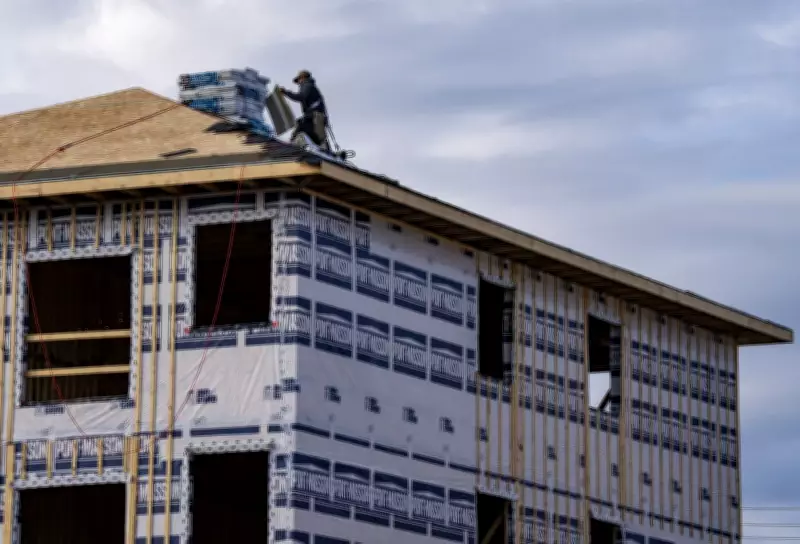
In Montreal and across Quebec, housing advocates are expressing profound skepticism that the province's pressing social housing needs will be addressed anytime soon. Despite growing demand and visible construction activity in areas like Salaberry-de-Valleyfield, southwest of Montreal, experts warn that systemic issues are creating a widening gap between supply and necessity.
A Growing Crisis with Limited Political Will
The social housing situation in Quebec has reached critical levels, with waiting lists stretching for years and vulnerable populations facing increasing homelessness. Advocates point to insufficient government funding, bureaucratic delays, and competing political priorities as major barriers to meaningful progress. "We're seeing new developments go up, but they're often market-rate projects that do little to help those most in need," explained one Montreal-based housing activist who requested anonymity.
Recent data suggests that Quebec would need to dramatically accelerate its social housing construction to meet current demand, let alone future needs driven by population growth and economic pressures. The province's aging social housing stock also requires significant maintenance and renovation investments that haven't been adequately funded.

The Human Cost of Housing Insecurity
Behind the statistics are real families and individuals facing housing instability. Seniors on fixed incomes, single-parent households, people with disabilities, and low-wage workers are particularly affected by the shortage of affordable options. Mental health professionals report increased stress and anxiety among clients struggling with housing insecurity, noting that stable housing is foundational to overall wellbeing.
In urban centers like Montreal, the crisis manifests in crowded shelters, rising rents in previously affordable neighborhoods, and growing visible homelessness. Rural communities face different but equally serious challenges, with limited housing options and fewer support services.
Systemic Barriers to Solutions
Several factors contribute to the slow pace of addressing Quebec's social housing needs:
- Funding limitations: Provincial and federal housing programs have been criticized as inadequate for the scale of the problem
- Land availability: Suitable, affordable land for social housing development is increasingly scarce in desirable locations
- Construction costs: Rising material and labor expenses make new affordable housing projects financially challenging
- Policy fragmentation: Multiple levels of government with overlapping responsibilities create coordination challenges
- Community opposition: Some neighborhoods resist social housing developments through zoning challenges and public opposition
Advocates emphasize that without significant policy shifts and increased investment, the situation is likely to worsen before it improves. They point to successful models in other jurisdictions that Quebec could adapt, but note that political will remains the primary missing ingredient.
A Long Road Ahead
While some municipal governments in Quebec have implemented local initiatives to address housing affordability, advocates argue that provincial leadership and resources are essential for meaningful change. The complexity of the housing ecosystem—encompassing construction, financing, land use, and social services—requires coordinated action that has so far been lacking.
"We're not talking about quick fixes," noted a housing policy researcher from McGill University. "Social housing development has long lead times, from planning through construction to occupancy. The decisions we make—or fail to make—today will determine housing availability years from now."
For now, Quebec's most vulnerable residents continue to wait as advocates voice their concerns with diminishing optimism about near-term solutions to one of the province's most pressing social challenges.