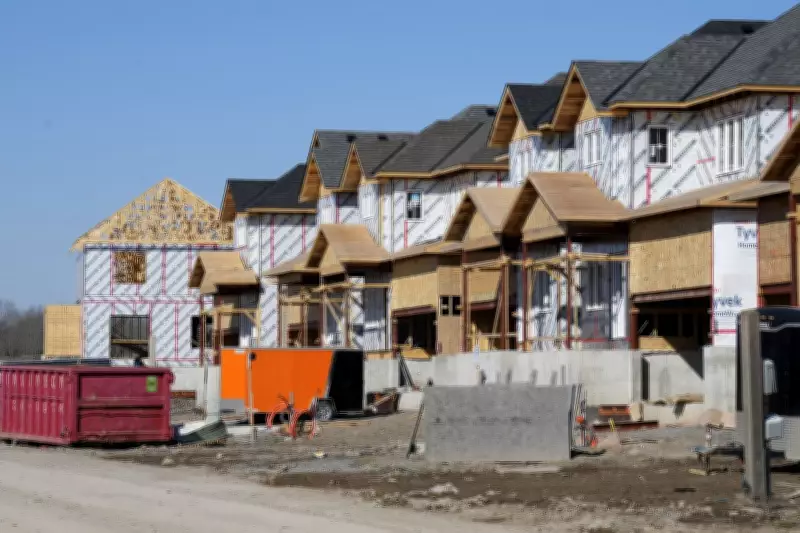
The province of Ontario is facing a significant setback in its ambitious housing construction agenda, as the outlook for new housing starts continues to weaken, moving the region further away from its critical goal of 1.5 million new homes by 2031. This development raises serious concerns about the feasibility of meeting this target within the established timeframe.
A Distant Target
Recent analyses and reports indicate that the pace of housing starts in Ontario is not aligning with the necessary trajectory to achieve the provincial government's landmark commitment. The goal, which was set to address the severe housing shortage and affordability crisis, now appears increasingly challenging as construction activity fails to accelerate as required.
Factors Contributing to the Slowdown
Several interconnected factors are contributing to this weakened outlook. High interest rates have made financing more expensive for both developers and potential homeowners, dampening demand and slowing project initiations. Additionally, persistent supply chain issues continue to affect the availability and cost of construction materials, leading to delays and increased project costs.

Municipal approval processes and zoning regulations also present significant hurdles, often causing lengthy delays before shovels can hit the ground. Labor shortages in the skilled trades sector further compound these challenges, limiting the capacity to ramp up construction even when projects are approved and funded.
Economic and Social Implications
The failure to meet housing start targets has profound implications for Ontario's economy and its residents. A shortage of housing supply exerts upward pressure on prices and rents, exacerbating the affordability crisis for many families and individuals. This situation can also hinder economic growth by making it difficult for businesses to attract and retain workers in high-cost regions.
Furthermore, the growing gap between housing need and supply may intensify social inequalities, as lower-income households are disproportionately affected by rising housing costs. The provincial government's ability to deliver on its housing promises is now under intense scrutiny, with stakeholders calling for more effective policies and interventions.
Looking Ahead
To bridge the gap between current performance and the 1.5 million home target, experts suggest a multi-faceted approach is necessary. Potential strategies include:
- Streamlining municipal approval processes to reduce delays
- Investing in training programs to address skilled labor shortages
- Providing targeted incentives for affordable housing developments
- Encouraging innovative construction methods, such as modular housing
While the path forward is challenging, addressing these barriers is crucial for Ontario to make meaningful progress toward its housing goals. The coming months will be critical in determining whether the province can reverse the current trend and accelerate housing construction to meet the needs of its growing population.