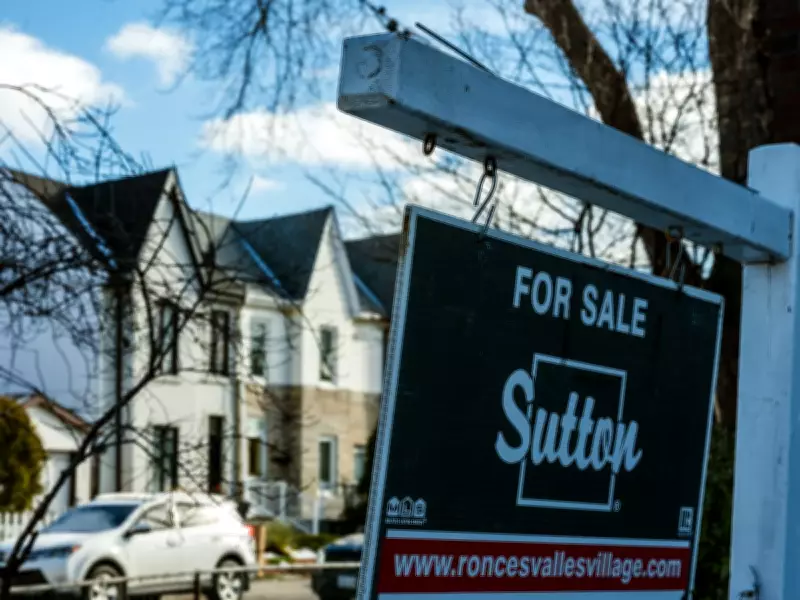
Ontario Expands Homebuyer Tax Break to All Buyers in Bid to Revive Housing Market
In a significant move to address stagnant housing demand and sluggish supply, the Ontario government has announced an expansion of its tax break on new home purchases, now extending eligibility beyond first-time buyers to all purchasers. Premier Doug Ford revealed on Wednesday that all homebuyers can qualify for a one-year exemption from the 13% Harmonized Sales Tax (HST) on newly constructed homes valued at $1 million or less, with partial rebates available for higher-priced properties. This initiative, effective from April 1, 2026, to March 31, 2027, aims to reinvigorate the housing market at a time when elevated borrowing costs and weak pre-sales have hindered project launches.
What Has Changed with the Tax Measure?
The new policy, funded jointly with the federal government, provides eligible homebuyers with a maximum rebate of $130,000 for homes priced up to $1.5 million. Beyond this threshold, the rebate gradually phases down, reaching $24,000 for homes valued at $1.85 million. This expansion marks a departure from the previous system, which limited relief primarily to first-time buyers and offered inadequate support in high-cost markets like the Greater Toronto Area. Under the old rules, the federal rebate phased out entirely for homes above $450,000, and Ontario's rebate was capped at $24,000, failing to cover the full tax burden. In contrast, the updated policy delivers more substantial savings, potentially broadening the pool of market participants and making new construction more accessible.
Why Is This Action Being Taken Now?
The timing of this expansion is driven by concerning trends in Ontario's housing market. While exact figures on unsold new homes are not definitive, data from the Canada Mortgage and Housing Corporation (CMHC) indicates rising levels of "unabsorbed" units across the province. In the Greater Toronto Area alone, real estate consulting firm Urbanation estimates that over 4,000 newly completed condo units remain unsold, with an additional 50,000 units under construction, including 9,000 that are currently unsold. Industry experts, such as Justin Sherwood, chief operating officer at the Building Industry and Land Development Association (BILD), argue that the expanded tax break could serve as a powerful incentive to boost demand. By encouraging prospective buyers to enter the market, increased sales may translate into higher construction starts, addressing both supply and demand challenges.

How Does the HST Exemption Operate?
Under the new system, eligible purchasers will not be required to pay the 13% HST at closing for qualifying transactions. In some cases, the tax may be applied upfront and later refunded through a rebate, depending on the structure of the transaction. This streamlined approach aims to reduce financial barriers for buyers, particularly in a climate of economic uncertainty. The policy applies to newly constructed residential properties, including condominiums and freeholds, with purchase agreements signed within the specified one-year window. By offering meaningful relief, the government hopes to stimulate activity in a market that has been hampered by affordability issues and sluggish growth, potentially paving the way for a more dynamic and sustainable housing landscape in Ontario.