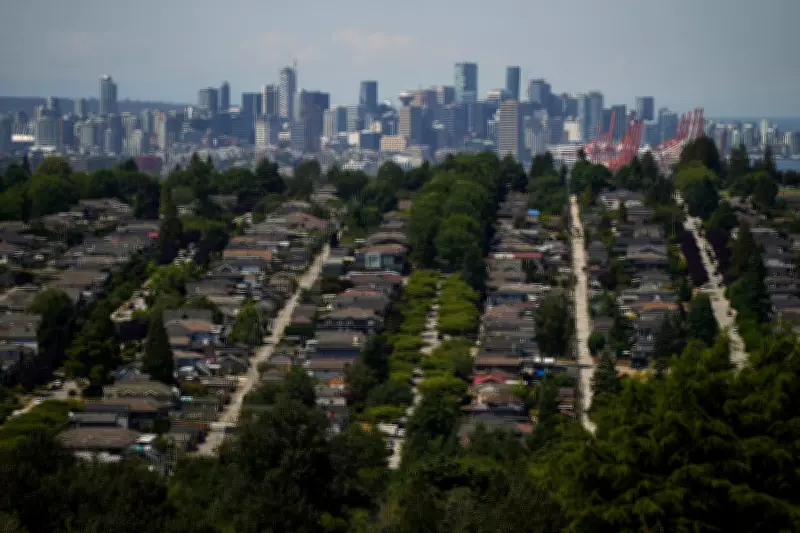
Metro Vancouver Rental Market Sees Significant Rent Drops Over Past Year
New data reveals that asking rents in Metro Vancouver have experienced substantial declines over the past year, marking a notable shift in the region's housing landscape. This development comes amid changing economic conditions and housing policies that have impacted rental affordability and availability.
Detailed Analysis of Rent Decreases
The figures show that average asking rents across Metro Vancouver have dropped by a significant margin, with variations observed between different municipalities and property types. Downtown Vancouver, traditionally one of the most expensive rental markets in Canada, has seen some of the most pronounced decreases, particularly for one-bedroom and studio apartments.
Other areas within the Metro Vancouver region, including Burnaby, Surrey, and Richmond, have also experienced rental price adjustments, though the extent varies based on location, property age, and amenities offered. The data indicates that newer developments and luxury rental properties have seen more substantial price corrections compared to established rental buildings.

Factors Contributing to the Rental Market Shift
Several factors have contributed to this downward trend in asking rents:
- Increased rental inventory from new construction projects completing across the region
- Economic uncertainty affecting both tenant demand and landlord pricing strategies
- Policy changes at municipal and provincial levels impacting rental regulations
- Demographic shifts as population growth patterns change in the post-pandemic era
Real estate analysts note that while rental prices have decreased, they remain high by national standards, continuing to present affordability challenges for many residents. The current market conditions represent a correction rather than a collapse of rental values in the region.
Implications for Renters and Property Owners
For prospective tenants, the declining asking rents provide increased negotiating power and more options in the rental market. Renters may find better value and more favorable lease terms than were available during peak rental periods in previous years.
Property owners and investors, meanwhile, face adjusted expectations for rental income and property valuations. Some landlords have responded by offering incentives such as free months of rent or reduced security deposits to attract tenants in a more competitive market environment.
The rental market data suggests that Metro Vancouver's housing landscape continues to evolve, with implications for urban planning, economic development, and social policy in the region. Monitoring these trends will be crucial for stakeholders across the housing sector as they navigate changing market conditions.