Hamilton Watermain Break Highlights Critical Infrastructure Concerns
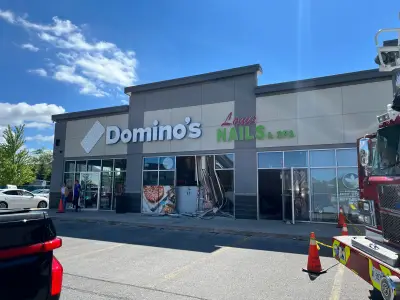
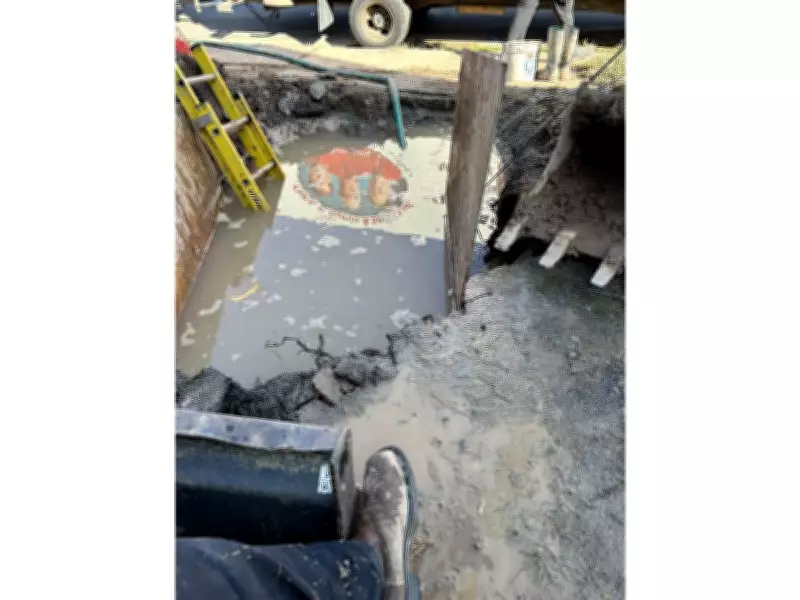
A significant watermain rupture in Hamilton's east end has brought renewed attention to the deteriorating underground infrastructure that serves the city. The incident, which occurred recently, has prompted local plumbing professionals to issue warnings about potential long-term consequences for residential sewer systems throughout older neighborhoods.
Century-Old Infrastructure Failure Causes Immediate Damage
The watermain that failed was originally installed in the late 1800s, demonstrating the challenges municipalities face when maintaining aging public works systems. The rupture resulted in street flooding and water intrusion into several basements, creating immediate property damage and disruption for affected residents.
"When a watermain breaks like this, it doesn't just cause immediate flooding," explained Rob Birnie, owner of Birnie Plumbing and Drains. "The volume of water can erode the soil surrounding older sewer pipes, especially clay lines, which can lead to cracks or even pipe failure in the months that follow."

Hidden Dangers in Older Neighborhoods
According to plumbing experts, many Hamilton neighborhoods including Crown Point, Gibson, St. Clair, and the North End contain homes constructed between the 1920s and 1960s. During this period, clay and cast iron sewer pipes were standard installation materials. While these materials proved durable for decades, many systems are now approaching or exceeding their expected lifespan.
The City of Hamilton confirms that homeowners bear responsibility for the sewer lateral connecting their properties to the municipal sewer system. These private pipes can deteriorate over time due to aging materials, soil shifting, and tree root intrusion, significantly increasing risks of clogged drains, sewer backups, and basement flooding.
Warning Signs and Preventive Measures
Because sewer systems remain buried underground, problems often develop gradually without homeowners noticing until a major failure occurs. Plumbing professionals identify several warning signs that may indicate deteriorating sewer lines:
- Frequent clogged drains that resist standard clearing methods
- Slow draining sinks, tubs, or showers
- Gurgling sounds coming from drains or toilets
- Multiple drains slowing simultaneously throughout the home
Modern plumbing companies frequently employ sewer camera inspection technology to assess underground pipes without excavation. This non-invasive approach allows professionals to identify damage early and recommend appropriate interventions before catastrophic failures occur.
Long-Term Implications for Homeowners
"Many homeowners don't realize that the pipes under their yard can be affected long after an event like this," Birnie emphasized. "If the surrounding soil shifts or washes away, older pipes are more vulnerable unless they've been reinforced."
In cases where pipes have sustained significant damage, sewer line repair becomes necessary, particularly when erosion or root intrusion has compromised structural integrity. Plumbing experts recommend that residents in older neighborhoods consider proactive inspections, especially following major infrastructure events like watermain breaks that could affect surrounding soil stability.
The recent incident serves as a stark reminder that both municipal and private infrastructure require ongoing maintenance and eventual replacement as materials age beyond their functional lifespan.