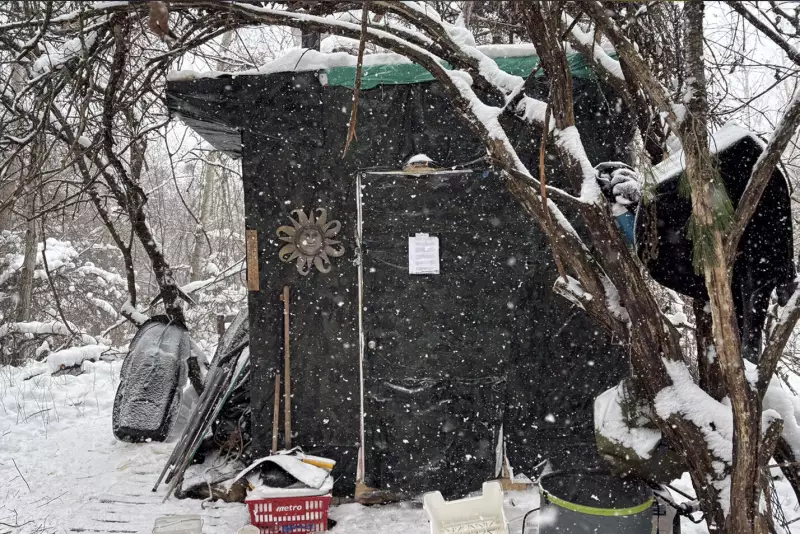
Guelph Man Resides in Illegally Constructed Tiny Home in Wooded Area
A man in Guelph, Ontario, has been found living in a tiny home that was illegally constructed in a wooded area, according to a report by CTV's Krista Simpson. This situation highlights ongoing issues surrounding affordable housing, municipal bylaws, and the growing tiny home movement in Canada.
Details of the Illegal Dwelling
The tiny home, built without proper permits or authorization, is situated in a secluded wooded area within Guelph. Local authorities have not yet taken action, but the case raises concerns about safety, zoning regulations, and environmental impact. The resident's motivations for choosing this unconventional living arrangement remain unclear, but it may reflect broader housing affordability challenges in the region.
Broader Context and Implications
This incident occurs amid a national housing crisis, where many Canadians are seeking alternative and affordable housing solutions. Tiny homes have gained popularity as a minimalist and cost-effective option, but they often face regulatory hurdles. In Guelph, like many municipalities, building codes and land-use bylaws typically require permits for permanent structures, which can complicate such setups.

The case also touches on issues of homelessness and urban planning. As cities grapple with rising living costs, illegal dwellings in non-residential areas may become more common, prompting calls for updated policies that balance innovation with public safety and environmental protection.
Potential Outcomes and Community Response
Local officials may need to address this situation through enforcement or by exploring flexible housing options. Community reactions could vary, with some advocating for leniency due to housing shortages, while others emphasize the importance of adhering to regulations to prevent unsafe conditions. This story underscores the need for dialogue between municipalities, residents, and housing advocates to find sustainable solutions.
As this develops, it serves as a reminder of the complex interplay between individual needs and regulatory frameworks in Canada's evolving housing landscape.