Edmonton Launches Four-Year Plan to Combat Derelict Commercial Properties
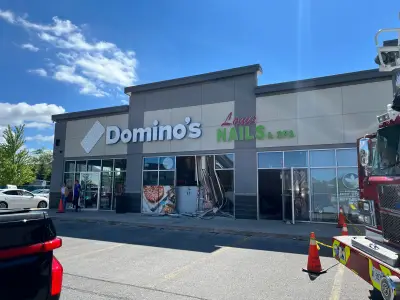
City council in Edmonton is taking decisive action to address the longstanding issue of abandoned commercial properties that have become havens for illegal activities. The executive committee voted unanimously on Thursday to begin creating a new property tax sub-class specifically targeting derelict non-residential buildings.
"We're Coming for You"
Mayor Andrew Knack delivered a clear message to property owners: "We're coming for you," he declared. "But you don't have to worry about that if you just start maintaining your properties. I'd much rather them just fix the problem now than us start coming down hard. When these properties are allowed to exist in this state, it's bringing down communities."
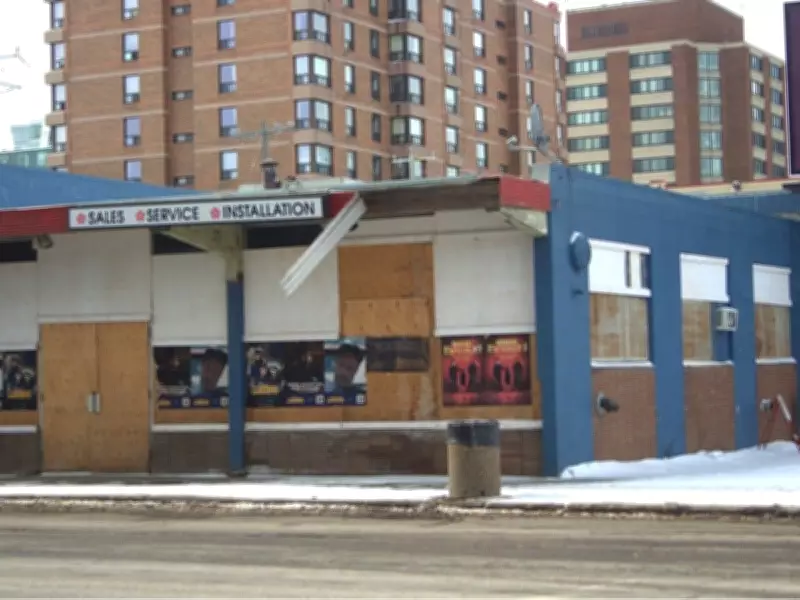
The initiative aims to put an end to boarded-up shops that have served as gathering places for squatters, drug dealers, and arsonists for decades in some of Edmonton's oldest neighborhoods.

Significant Bureaucratic Hurdles Ahead
Despite the council's determination, implementing the punitive tax system faces substantial bureaucratic challenges that will require approximately four years to overcome:
- Software Upgrades: The city must first update its antiquated taxation software to accommodate the new property tax sub-class, a process estimated to cost between $700,000 and $1 million.
- Legal Definitions: Officials need to establish a precise legal definition of what constitutes a "derelict non-residential property" under the Municipal Government Act.
- Waiting Period: Once identified, properties must remain vacant for an entire year before the city can take action.
- Tax Limitations: Provincial regulations restrict how much additional tax municipalities can charge, capping increases at five times the lowest residential property tax rate.
Current Scope of the Problem
Administration officials have already identified 20 properties that could qualify as derelict, though they acknowledge there are likely many more throughout the city. These initial properties were identified primarily through public complaints.
The identified properties represent:
- $29 million in total assessed value
- $700,000 in property taxes paid in 2025
- An average of $35,000 in property taxes per property
Some of these buildings have sat empty since the 1990s, contributing to urban decay and inhibiting redevelopment efforts in established neighborhoods.
Community Support and Practical Limitations
Five speakers from the Alberta Avenue community appeared before council to express strong support for the initiative, urging officials to implement the new tax class as quickly as possible.
However, practical limitations remain significant. Under current regulations, the maximum punitive tax increase would be approximately 57 percent, translating to just under $20,000 in additional taxes for the average identified property. This contrasts with the city's ability to triple property taxes for derelict residential properties.
The four-year timeline reflects the complex legal and technical challenges involved in creating and implementing this new approach to urban revitalization. Property owners have been given notice that change is coming, but they also have substantial time to address maintenance issues before facing financial penalties.