Developer Aims for Vancouver's Tallest Tower After Controversial Land Sale
A decade after the City of Vancouver sold a prime downtown property to a developer, the landowner is now pushing forward with plans to construct a skyscraper that could rival the city's tallest buildings. This move comes in the wake of a damning audit report that recently scrutinized the 2016 land sale, highlighting significant financial discrepancies.
New Proposal for 601 Beach Crescent
Pinnacle International, which previously secured rezoning approval for a 55-storey tower at 601 Beach Crescent, has submitted a new application to increase the height to 67 storeys. If approved, this would make it one of the tallest structures in Vancouver, surpassing nearly all existing buildings. The application was received by city hall earlier this month and is currently under review by staff, with plans to eventually post it on the city's rezoning website and install a site sign at the property.
Details of the Development Plans
The existing zoning, approved by the previous city council in 2020, allowed for a 55-storey mixed-use building featuring:

- Commercial space at ground-level
- 303 market condominiums
- 152 social housing units
Pinnacle's new proposal seeks to amend this zoning to:
- Increase the building height to 67 storeys
- Boost the number of market condos by over 50%, from 303 to 480 units
- Add a hotel component with 206 rooms
- Maintain the 152 social housing units
- Include three underground levels of parking, as in the previous version
Audit Reveals Land Sale Error
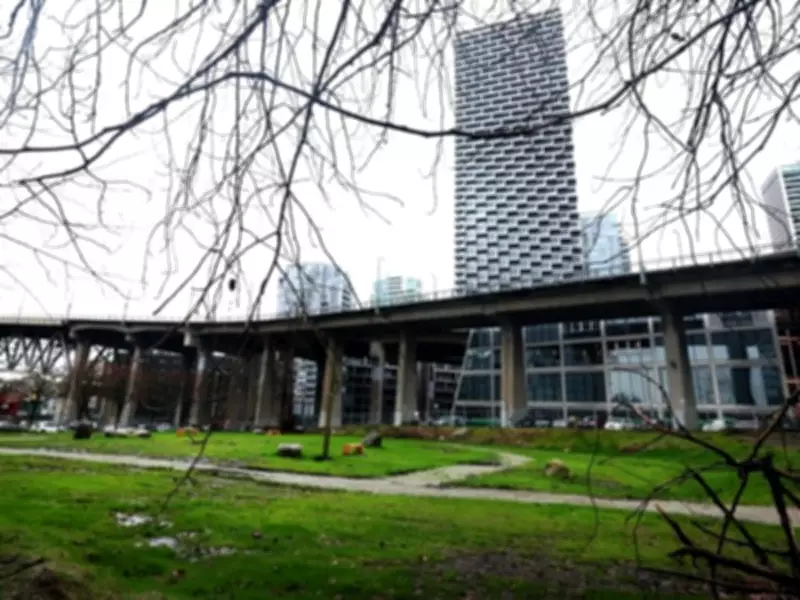
The property at 601 Beach Crescent, located immediately west of the Granville Street Bridge, was owned by the City of Vancouver until its sale to Pinnacle in 2016. Last month, Vancouver's independent auditor general released an investigative report examining the city's history of land sales, which brought this transaction back into the spotlight. The audit found that city staff made a material error in calculating the total buildable square footage, potentially costing the city approximately $13 million. Specifically, the error led to a calculated price of about $97 million owed by the developer, whereas it should have been around $110 million without the mistake.
City's Response and Whistleblower Involvement
In response to the audit, the city stated in an emailed comment: Any future rezoning application for 601 Beach would be considered on its own merits through the city's established planning process. It would not be used to revisit or correct past transaction terms, which remain governed by the contract. The city emphasized its commitment to enforcing contractual rights and protecting the public interest. Following the report's release, retired Burnaby city planner Robert Renger publicly identified himself as the whistleblower whose complaint initiated the investigation, adding a layer of transparency to the ongoing controversy.
Implications for Vancouver's Skyline
This development proposal marks a significant moment in Vancouver's urban evolution, as it could reshape the city's skyline and spark further debates about land use, affordability, and municipal accountability. The combination of increased density, mixed-use components, and the backdrop of audit findings underscores the complex interplay between development ambitions and public oversight in one of Canada's most dynamic real estate markets.