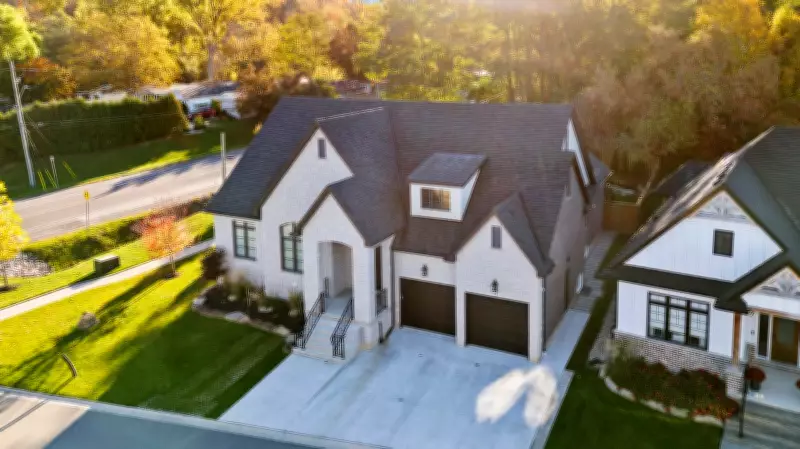
Affordability challenges continue to sideline homebuyers in urban markets, but many are forging a new path into the housing market. According to the REMAX Canada 2026 Recreational Report, 45 per cent of prospective buyers see recreational property as an “entry point.”
Market Conditions Creating Opportunity
Market conditions are creating opportunity. REMAX found that more than half of 21 recreational markets across the country are expected to remain buyer’s markets in 2026 and one-third will be balanced.
Meanwhile, the national average price is likely to increase 1.5 per cent through the remainder of the year.

“After years of dramatic swings, Canada’s housing market is finding its footing and that stability is extending into the recreational segment,” says REMAX Canada President Don Kottick. “Prices are stabilizing, inventory is improving and days on market are returning to more normal levels. Buyers have more choice and time, while sellers are seeing steady demand for well-priced homes.”
Ontario Recreational Market Prices
Here’s a sampling of the average price of properties in recreational markets across Ontario at the end of the year’s first quarter and the year-over-year price difference in brackets:
- Muskoka: $722,839 (-3.2 per cent)
- Haliburton: $546,770 (-4.3 per cent)
- The Kawarthas: $625,137 (-14 per cent)
- Simcoe County: $1.5 million (-21.1 per cent)
- Orillia: $871,906 (-15.5 per cent)
- Niagara-on-the-Lake: $1,020,719 (-5.5 per cent)
- Grand Bend: $747,456 (+7.8 per cent)
Conrad Zurini, broker/owner of REMAX Escarpment in Niagara Region, concedes “not every recreational property is the same.” Some buyers want a waterfront property while others opt for amenities-rich destinations like Niagara-on-the-Lake.
The pandemic “ratcheted up” prices there but “we’ve seen a correction and people are seeing great value. It’s ticking off a lot of wants and needs” as people gravitate back to the staycation. “I think we’re seeing this resurgence in Niagara-on-the-Lake because there’s so much to do here. It’s kind of like the Napa Valley of Ontario.”
Wealth Strategy and Buyer Preferences
Meanwhile, 60 per cent of current recreational property owners say their property forms part of their long-term wealth strategy. That shift is most pronounced among younger Canadians, with 54 per cent of 18- to 34-year-olds planning to include a recreational property in their portfolio, notably higher than the rate of those aged 35 and older (30 per cent).
The report also found that 10 per cent of Canadians are actively searching for a recreational property right now, while 28 per cent of current recreational property owners are motivated to sell thanks to return-to-office mandates.
Fourteen per cent of Canadians who don’t own a recreational property are hesitant to purchase, with return-to-office expectations to blame.
Buyer preferences are also evolving, with 61 per cent of Canadians saying that if they were buying a recreational property, they prefer to buy a recently renovated unit. Additionally, 59 per cent say that if they owned a recreational property, they’d want to use it year-round, rather than seasonally.
However, rising maintenance costs remain a concern: 40 per cent of Canadians say maintenance costs would be unmanageable if they were to inherit a recreational property. Rising maintenance costs mean more recreational property owners are pushed to sell, many brokers report.