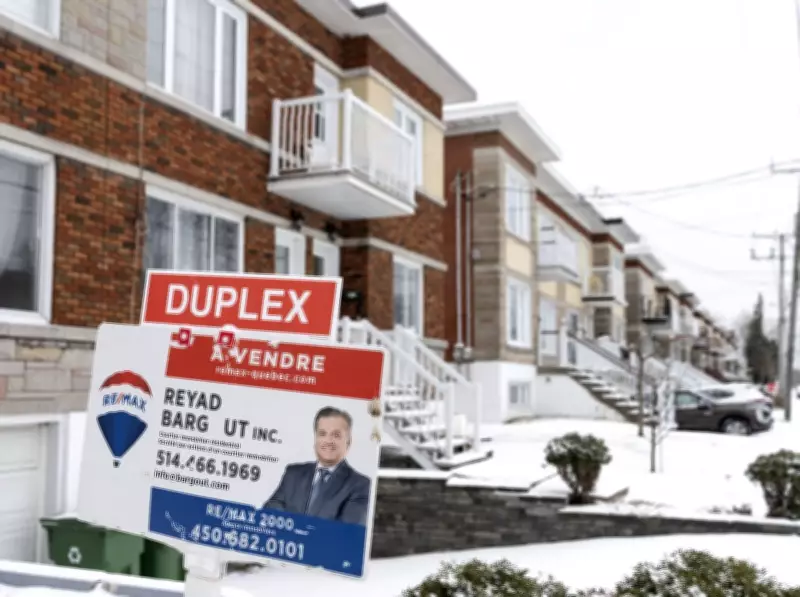
RBC Survey: Canadians Remain Determined to Own Homes Amid Market Volatility
A recent survey conducted by the Royal Bank of Canada (RBC) has uncovered a resilient desire among Canadians to achieve homeownership, despite ongoing economic uncertainties and housing market fluctuations. The findings indicate that a significant portion of the population continues to prioritize owning a home, even as challenges such as rising interest rates, affordability issues, and market instability create headwinds for prospective buyers.
Persistent Aspirations in a Challenging Landscape
The RBC survey, which gathered insights from a diverse cross-section of Canadians, reveals that the dream of homeownership remains deeply ingrained, with many respondents expressing a keen interest in purchasing property in the near future. This determination persists despite widespread reports of financial strain, including data showing that nearly half of Canadians are living paycheque to paycheque, which could complicate saving for a down payment or managing mortgage costs.
Market uncertainties, driven by factors like global conflicts affecting gas prices and potential public service job cuts, have not dampened this ambition. Instead, the survey suggests that Canadians view homeownership as a long-term goal worth pursuing, even if it requires navigating a complex and unpredictable economic environment.

Key Factors Influencing Homebuying Decisions
Several elements are shaping Canadians' attitudes toward real estate, according to the survey:
- Affordability Concerns: High housing prices and the cost of living are top worries, yet many are exploring options like smaller homes or different locations to make ownership feasible.
- Economic Volatility: Issues such as inflation and potential recessions are causing caution, but not deterring plans entirely.
- Regional Variations: Markets in cities like Toronto, Montreal, and Vancouver face unique pressures, but interest remains strong across the country.
- Future Optimism: Some respondents believe that market corrections or policy changes could create opportunities for entry in the coming years.
This sentiment aligns with broader trends in the Canadian economy, where real estate has long been a cornerstone of personal wealth and stability. However, the survey also highlights the need for careful financial planning, as uncertainties around employment, interest rates, and global events like the Iran conflict could impact buyers' ability to secure and maintain mortgages.
Broader Context and Implications
The RBC findings come at a time when other news stories, such as protests over Alberta's health-care bill or extreme weather events, dominate headlines, yet housing remains a focal point for many households. The persistence of homeownership aspirations underscores its cultural and economic significance in Canada, even as debates over affordability and market regulation continue.
In summary, the RBC survey paints a picture of a population that is both realistic about challenges and steadfast in its desire to own homes. While market uncertainties pose real risks, the data suggests that Canadians are not giving up on this key life goal, potentially driving continued demand in the real estate sector despite the volatile landscape.