U.S. Bourbon Demand Declines Amid Tariffs, Yet Distillers Continue Expansion
In a surprising turn for the spirits industry, demand for bourbon in the United States has experienced a notable downturn, compounded by the ongoing impact of tariffs that have strained international trade. However, this challenging environment has not deterred major distillers from pushing forward with ambitious expansion projects, reflecting a deep-seated confidence in the long-term viability of the whiskey market.
Market Challenges and Tariff Pressures
The decline in bourbon consumption comes at a time when tariffs, particularly those imposed in recent trade disputes, have added significant costs to production and export. These financial burdens have made it harder for distillers to maintain profitability, especially in key overseas markets where American whiskey has traditionally enjoyed strong sales. Industry analysts point to a combination of economic factors, including shifting consumer preferences and increased competition from other spirits, as contributing to the slump.
Despite these headwinds, companies are not scaling back. Instead, they are doubling down on investments in new facilities and innovative production techniques. This strategic move suggests that distillers view the current downturn as a temporary setback rather than a permanent shift, banking on bourbon's enduring appeal and potential for recovery.

Heaven Hill's Commitment to Craft and Scale
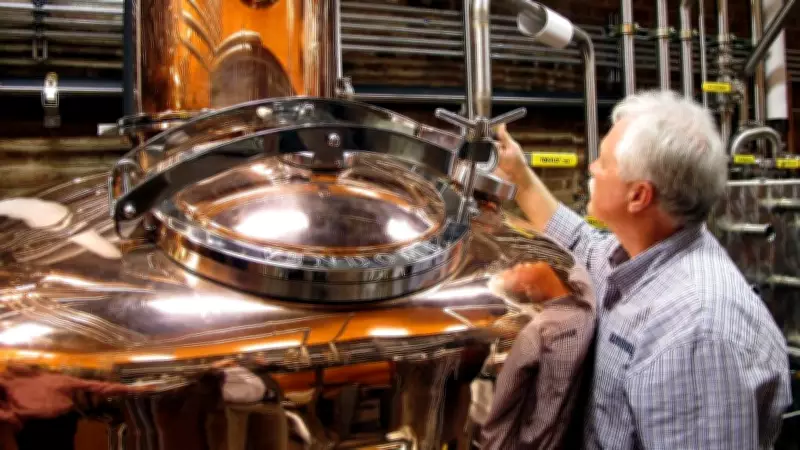
A prime example of this resilience is Heaven Hill Distilleries, based in Louisville, Kentucky. The company recently unveiled a new artisanal craft distillery, where small-batch whiskey production is set to thrive. Charlie Downs, the craft distiller at this facility, exemplifies the hands-on approach being embraced, meticulously monitoring gauges on stills to ensure quality and consistency in every batch.
This investment highlights a dual strategy: while expanding overall capacity to meet future demand, distillers are also catering to a growing niche market for premium, craft-produced bourbon. By focusing on small batches, companies like Heaven Hill aim to differentiate their offerings and attract discerning consumers willing to pay a premium for unique, high-quality products.
Broader Industry Trends and Future Outlook
The bourbon industry's continued expansion amid adversity is not an isolated phenomenon. Other major players in the sector are similarly investing in new infrastructure, from aging warehouses to state-of-the-art distillation equipment. This collective effort underscores a belief that the current challenges are manageable and that the market will rebound as economic conditions improve and trade barriers potentially ease.
Experts note that the resilience of bourbon distillers may also be fueled by historical trends. The whiskey market has weathered previous downturns and emerged stronger, with periods of growth often following temporary declines. By building now, companies are positioning themselves to capitalize on the next upswing, ensuring they have the capacity to meet renewed demand when it arrives.
In conclusion, while U.S. bourbon demand is down and tariffs present ongoing obstacles, the industry's commitment to growth remains unwavering. Distillers' continued investments in expansion and craft production signal a robust confidence in the future, suggesting that bourbon's storied legacy is far from over. As companies navigate these turbulent times, their strategic foresight may well pave the way for a spirited recovery in the years to come.