Airbnb Advocates for Regulatory Adjustments Before Montreal's Formula One Event
Airbnb is actively lobbying for changes to Montreal's short-term rental bylaws in anticipation of the upcoming Formula One Grand Prix scheduled for May. The company argues that current regulations may hinder the city's ability to accommodate the influx of visitors expected for the prestigious auto racing event.
Timing Aligns with Major Tourism Event
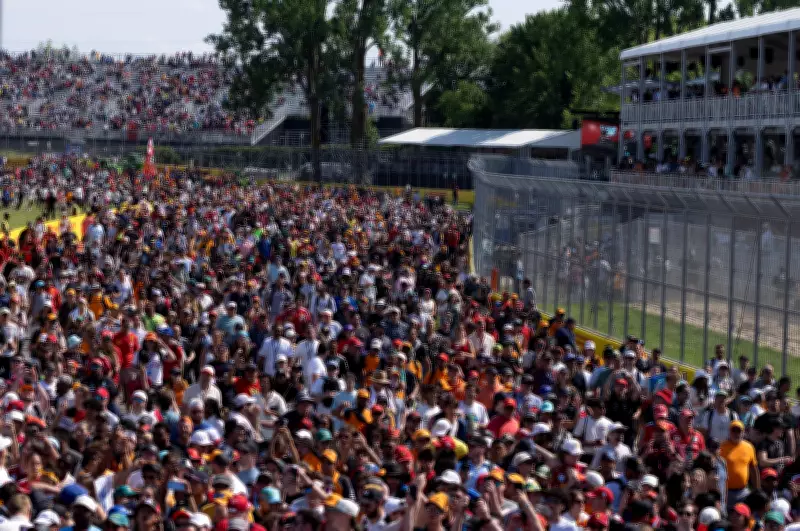
The push for regulatory modifications comes as Montreal prepares to host one of its most significant annual tourism draws. The Formula One Canadian Grand Prix typically attracts thousands of international visitors, creating substantial demand for temporary accommodations throughout the race weekend.
"Current short-term rental restrictions could limit housing availability during peak tourism periods," explained a representative familiar with the discussions. "We believe reasonable adjustments would benefit both visitors and local residents who participate in the sharing economy."

Background on Montreal's Rental Regulations
Montreal has implemented various restrictions on short-term rentals in recent years, including requirements for primary residence hosting and registration with the city. These measures were designed to address concerns about housing availability and neighborhood disruption, particularly in popular tourist areas.
The proposed changes would specifically target temporary adjustments to accommodate the Formula One event, rather than permanent alterations to the existing regulatory framework. This approach aims to balance the economic benefits of major events with ongoing community housing priorities.
Economic Considerations for Host City
Major sporting events like the Formula One Grand Prix generate significant economic activity for host cities. Accommodation availability directly impacts visitor spending patterns and overall event success. Industry analysts suggest that flexible short-term rental policies during peak events can enhance tourism revenue while minimizing negative impacts on local housing markets.
"Cities worldwide have developed event-specific accommodation strategies," noted an urban tourism expert. "The key is creating temporary solutions that don't undermine long-term housing goals."
Potential Impacts and Next Steps
If implemented, the proposed bylaw adjustments could:
- Increase available accommodations during the Formula One weekend
- Provide additional income opportunities for Montreal residents
- Enhance the visitor experience through expanded lodging options
- Generate increased tourism revenue for local businesses
Discussions between Airbnb representatives and municipal officials are ongoing, with both sides expressing optimism about reaching a workable solution before the May event. The outcome may establish a precedent for how Montreal manages accommodation demands during future major events while maintaining its commitment to housing accessibility.