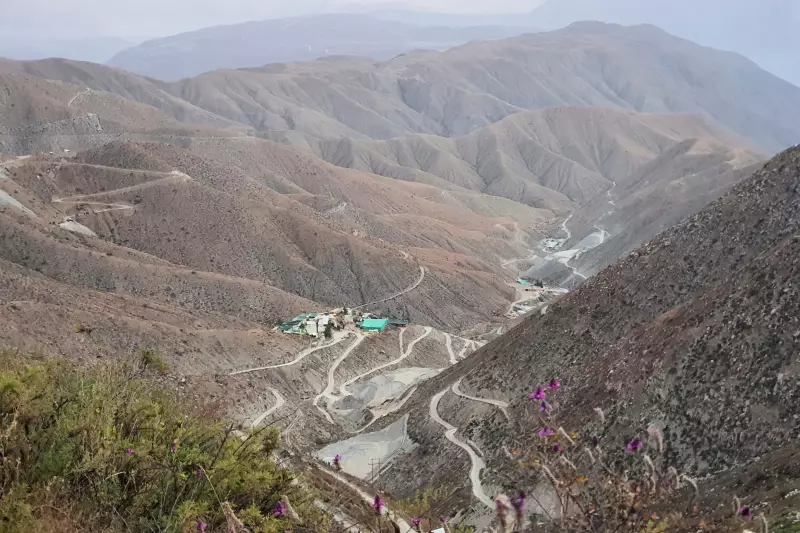
A violent attack on New Year's Eve has left three people dead at an informal mining site in Peru, casting a shadow over celebrations and underscoring the persistent dangers in the country's remote mining regions.
Details of the Deadly Assault
The incident occurred on December 31, 2025, at a camp for informal miners. According to reports, assailants targeted the site, resulting in the deaths of three individuals. The attack took place in a region known for such informal mining operations, where security is often minimal and conflicts over territory and resources can turn deadly.
While specific details about the victims or the exact motive are still emerging, the violence points to the volatile and often lawless environment that surrounds illegal and informal mining activities in parts of South America. These operations frequently operate outside state regulation, making workers vulnerable to exploitation and violence.

Context of Mining in the Arequipa Region
The attack is a grim reminder of the challenges facing Peru, a major global producer of metals like gold and copper. The country's rich mineral deposits attract both large-scale commercial operations and thousands of informal miners, known locally as "informales" or "artisanales".
These informal miners often work in precarious conditions with little safety equipment or legal protection. The region of Arequipa, where the SERMIGOLD mine is located, is a significant hub for such activity. Conflicts can arise between different mining groups, with criminal organizations sometimes involved in extortion and control of mining areas.
Broader Implications and Ongoing Challenges
This New Year's Eve tragedy is not an isolated event. Similar attacks have occurred in the past, reflecting deep-seated issues related to governance, economic disparity, and resource control in Peru's mining sectors. The Peruvian government has long struggled to formalize these informal mining operations, a process fraught with social, economic, and environmental complications.
The deaths highlight the human cost of this ongoing struggle. For the families of the victims, the start of 2026 has been marked by loss and tragedy instead of hope and renewal. The incident serves as a stark call for enhanced security measures and more effective policies to protect vulnerable workers in these high-risk industries and to bring stability to resource-rich but often turbulent regions.