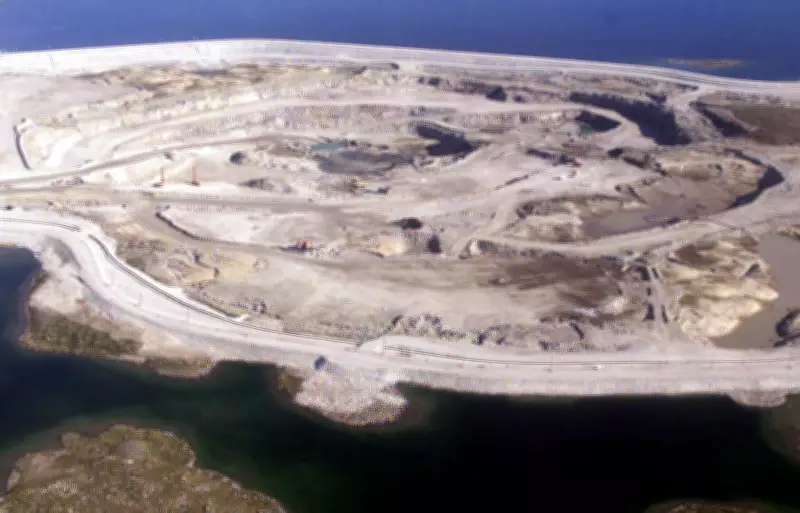
The Diavik diamond mine, a cornerstone of the Northwest Territories' economy for more than two decades, has officially marked its final day of production. Located approximately 300 kilometers northeast of Yellowknife in the remote Lac de Gras region, this iconic facility has been a pivotal player in Canada's diamond industry since its inception.
End of an Era for Northern Mining
After years of extracting high-quality diamonds from the harsh Arctic environment, operations at Diavik have now concluded. The mine, which began production in the early 2000s, has contributed significantly to both local employment and the global diamond market. Its closure represents a major transition for the region, which has long relied on resource extraction as a key economic driver.
Environmental and Economic Implications
The shutdown process involves extensive decommissioning and reclamation efforts to mitigate environmental impacts. Authorities and the mine's operators are focusing on restoring the site to its natural state, a complex undertaking in the delicate northern ecosystem. Economically, the closure raises questions about future opportunities for the communities that depended on Diavik for jobs and stability.

Historical Significance and Legacy
Diavik has not only been an economic engine but also a symbol of industrial achievement in one of Canada's most challenging environments. Its operations have supported infrastructure development and provided training and skills for northern residents. As the mine winds down, stakeholders are reflecting on its legacy and the lessons learned for sustainable resource management in the Arctic.
Looking Ahead
With Diavik's production ending, attention now turns to the future of mining in the Northwest Territories. Other projects may emerge, but this closure underscores the finite nature of resource-based economies. It also highlights the need for diversified economic strategies in northern regions to ensure long-term resilience and prosperity.