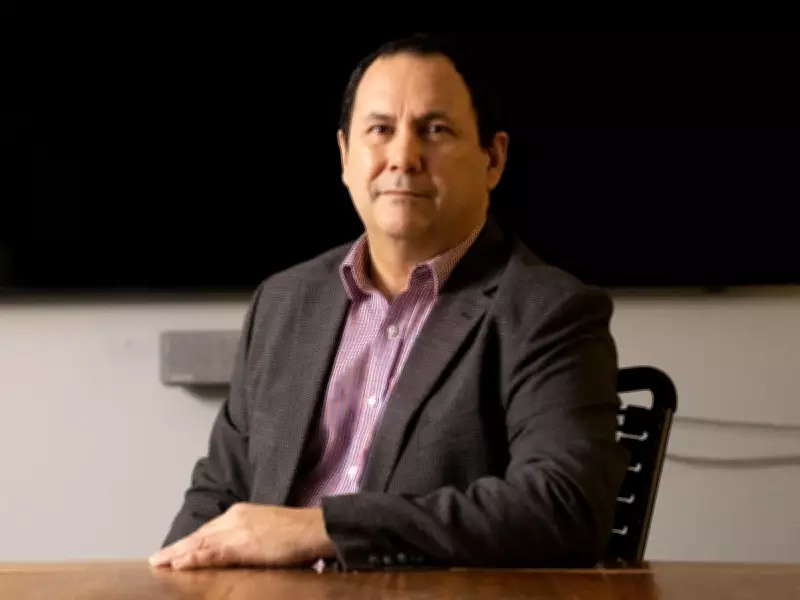
Defense Metals Corp. Aims to Challenge China's Rare Earth Dominance with Canadian Mine
Vancouver-headquartered Defense Metals Corp. is positioning itself as a potential challenger to China's overwhelming control of the rare earth elements market. The company is working to develop what could become Canada's first rare earth mine at the Wicheeda project in British Columbia.
Strategic Minerals for the Energy Transition
Rare earth elements represent a group of 17 minerals that are essential for numerous modern technologies. These obscure metals are critical components in permanent magnets used in electric vehicle motors, wind turbines, robotics, electronic equipment, and precision optical devices. They also play significant roles in defense applications and everyday consumer products.
"They're used in nearly everything," said Defense Metals CEO Mark Tory. "It goes from your wife's handbag, where there are neodymium magnets, to electric vehicles, wind turbines, robotics and it's obviously really important in defence as well."

The Wicheeda Project Potential
The Wicheeda project, located approximately 80 kilometers northeast of Prince George, was originally discovered by Teck Resources' predecessor. Defense Metals acquired the project in 2022 and has since conducted extensive exploration work.
According to a pre-feasibility study published last year, the Wicheeda mine could potentially produce around 5,000 tonnes annually of neodymium and praseodymium. These two metals are particularly crucial for manufacturing permanent magnets. This production level would represent approximately seven to eight percent of current global output.
"It's significant," Tory emphasized about the project's potential impact on the rare earths market.
Government Support and Development Timeline
Defense Metals has attracted substantial support from both provincial and federal governments despite being in the early stages of development. The company is preparing to begin a full feasibility study that will determine whether Wicheeda can become an economically viable mining operation.
In February, B.C. Mining and Critical Minerals Minister Jagrup Brar added the Wicheeda proposal to the province's list of projects being guided through environmental assessments and permitting processes by the critical minerals office.
Then in March, federal Natural Resources Minister Tim Hodgson conditionally offered Defense Metals a $1.88-million contribution to assist with connecting the Wicheeda site to the B.C. Hydro electrical grid. This funding comes in addition to an $800,000 commitment Ottawa made to the project in 2025 through its critical minerals infrastructure fund.
"It's only the last eight months where the world's going, 'We need to do something about (China's lock on rare earths),' and they are," Tory observed regarding the growing governmental recognition of the strategic importance of rare earth elements.
Competing with China's Market Dominance
China currently maintains a near-monopoly on rare earth element production and processing, controlling approximately 80-90% of the global supply chain. This dominance has raised concerns among Western nations about supply chain security, particularly as demand for these critical minerals increases with the global transition toward electrification and renewable energy.
The Wicheeda project represents one of several international efforts to develop alternative sources of rare earth elements outside of China. If successfully developed, it could help diversify the global supply chain for these strategically important materials.
Tory acknowledged that while the project shows significant promise, numerous challenges remain. "The Wicheeda project could, however, become a mine by 2030 'if all the planets align and nothing goes wrong,'" he cautioned, highlighting the uncertainties inherent in major mining developments.
The company's progress will be closely watched by industry observers and policymakers alike as Western nations seek to reduce their dependence on Chinese rare earth supplies while supporting the technological transition to cleaner energy systems.