British Columbia Announces Minimum Wage Increase to $18.25 Effective June 2026
The British Columbia government has confirmed another annual increase to the province's minimum wage, continuing a trend that has seen consistent raises for over a decade. Effective June 1, 2026, the general minimum hourly rate will climb from $17.85 to $18.25, representing an approximate 2.2 percent increase.
Inflation-Based Calculation Drives Wage Adjustment
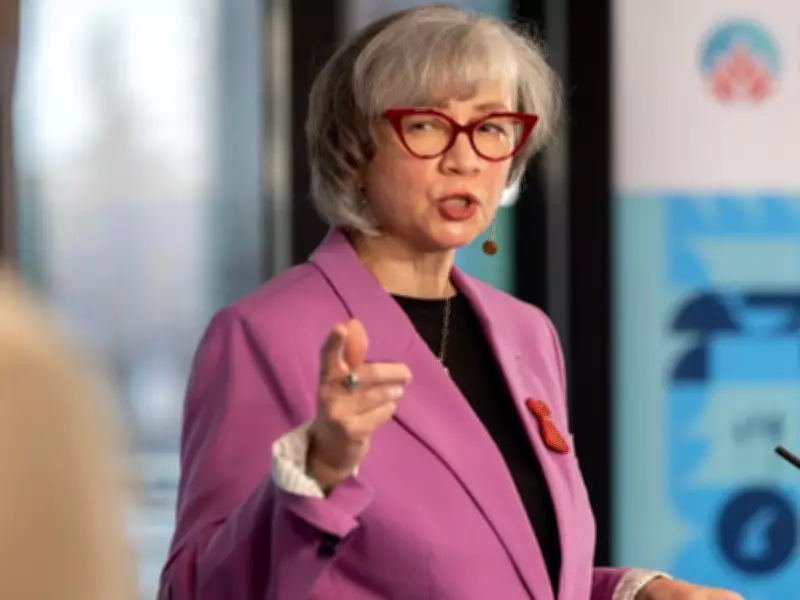
This latest adjustment is calculated based on British Columbia's average inflation rate from the previous year, which stood at just over 2.1 percent. The new rate has been rounded to the nearest five cents as per standard practice. Labour Minister Jennifer Whiteside emphasized the government's commitment to supporting workers during challenging economic times.
"Working people in our province are feeling the pressure of inflation," stated Minister Whiteside in her official announcement. "This increase helps ensure that minimum wage earners maintain their purchasing power as costs rise."

Historical Context Shows Dramatic Policy Shift
The 2026 increase marks the eleventh consecutive year that British Columbia has raised its minimum wage, a stark contrast to the period between 2001 and 2010 when no increases occurred whatsoever. In 2001, when the B.C. Liberals took power, the province's minimum wage was just $8 per hour—the lowest rate in Canada at that time.
Significant policy changes began in 2015 when British Columbia first indexed the minimum wage to the Consumer Price Index to account for inflation. This approach continued when former premier John Horgan and the B.C. NDP assumed power in 2017. The policy was formally protected by legislation in 2024, making annual inflation-based adjustments automatic.
Special Categories and Gig Workers Included
While the general minimum wage applies to most employment situations, special rates exist for specific categories including resident caretakers, live-in home support workers, camp leaders, and piece-rate agricultural workers. Notably, gig workers such as ride-hailing and delivery drivers will also see their minimum wage increase based on inflation in 2026.
These workers will now earn $21.89 per hour while actively engaged with customers and deliveries, reflecting the province's broader commitment to wage fairness across different employment models.
Comparative Standing Among Canadian Provinces
With this latest increase, British Columbia maintains its position as having the highest minimum wage among Canadian provinces, surpassed only by Nunavut's rate of $19.75 per hour. This contrasts sharply with Alberta, which currently has the lowest provincial minimum wage at $15 per hour—unchanged since 2018.
Demographic Impact and Wage Growth Disparities
According to data from the Labour Ministry, many minimum wage earners in British Columbia are young adults, women, and racialized employees working primarily in retail, food services, and care industries. While the minimum wage has seen consistent increases, average hourly wages across the province have grown more substantially—increasing by over 25 percent in the past five years from just over $30 to nearly $38 per hour.
This disparity highlights the ongoing economic challenges faced by those at the lower end of the wage spectrum, even as the province implements regular adjustments to maintain their purchasing power.