Investing's True Risk: Permanent Damage, Not Volatility, Says Expert
Financial expert Martin Pelletier has long embraced risk in both his personal and professional life, whether navigating steep ski slopes or complex investment landscapes. Drawing from his experiences, Pelletier offers a crucial distinction for investors: the real danger in markets isn't temporary discomfort from volatility but the potential for permanent, game-ending damage to your portfolio.
The Ski Slope Analogy: From Green Runs to Double Black Diamonds
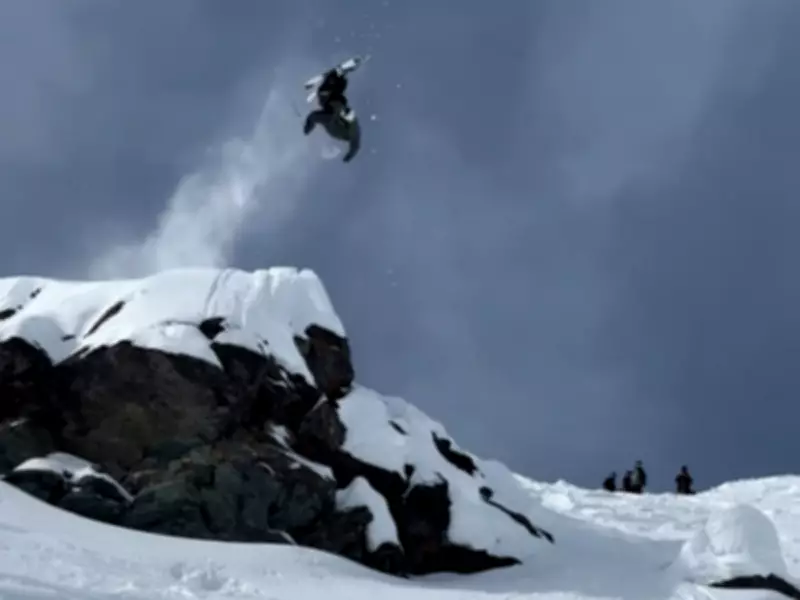
Pelletier compares market volatility to ski terrain classifications. Green runs represent predictable, forgiving investments, while blue runs demand more skill. Black diamonds narrow the margin for error significantly, and double black diamonds leave almost no room for mistakes. As the slope steepens, both the rating and adrenaline increase accordingly.
The critical insight, however, lies in understanding that the real danger isn't the run itself but the kind of crash that prevents you from skiing another day. Similarly, in investing, volatility represents temporary discomfort along your chosen path, while true risk involves losing the ability to continue investing as you once could.

Experience Helps, But Judgment Matters More
While experience, preparation, and confidence improve investment odds, even skilled participants can crash when market conditions shift unexpectedly or when judgment slips momentarily. Pelletier emphasizes that markets function much like mountains—some paths deliver exceptional returns, others quietly underperform, and the risk that truly matters involves the probability of permanent damage rather than short-term discomfort.
A single bad decision at the wrong moment can remove you from the investment game entirely, similar to a mistimed turn on a steep face or launching off a cliff without first identifying a safe landing zone.
Current Market Conditions: Shifting Terrain
Looking at today's market environment, Pelletier observes a slope that has shifted dramatically from green runs to black and double black diamonds. Many investors find themselves tempted onto far more challenging terrain just as conditions have rapidly deteriorated.
The surface may appear manageable from a distance, but underfoot it's icy, steep, and far less forgiving than usual. Some crashes have already occurred, including the S&P 500 posting one of its weakest quarterly performances in nearly four years and even supposedly safer balanced portfolios suffering their largest one-month drop since 2022.
The Discipline of Pulling Back
This environment demands judgment more than courage. As a former mentor reminded Pelletier, "You've got to use bad judgment until you know what good judgment is." Even the best skiers adjust their approach when conditions turn unfavorable—they modify their line, slow their pace, and choose routes that keep them upright for another day.
Markets, like mountains, don't reward bravado indefinitely. Over time, disciplined decision-making matters far more than any single investment run ever could. The ability to recognize when to pull back and preserve capital reflects respect for the investment environment and understanding that staying in the game matters more than chasing temporary gains on dangerous terrain.