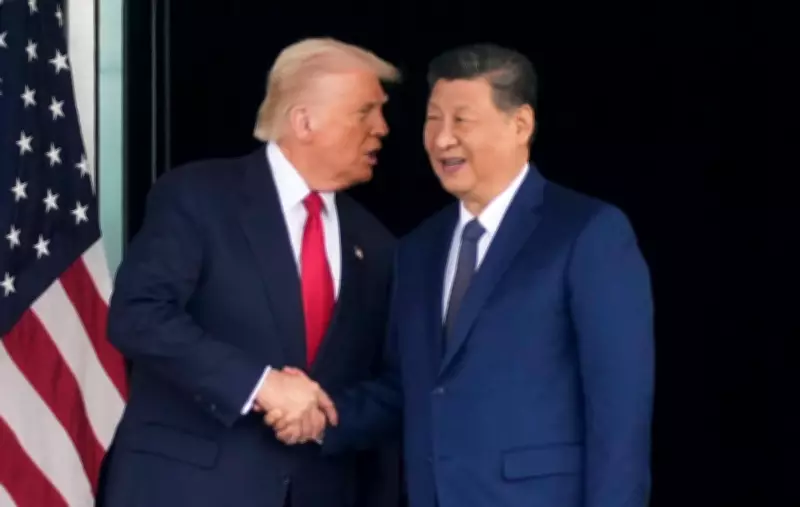
President Donald Trump and Chinese President Xi Jinping have successfully de-escalated the ongoing trade war, but observers warn that substantial hurdles still lie ahead as they prepare for a critical summit in China. The two leaders, who previously met in Busan, South Korea, in October 2025, have taken steps to reduce tensions, yet underlying disputes over tariffs, intellectual property, and market access persist.
Background of the Trade War
The trade conflict between the United States and China began in 2018, with both nations imposing tariffs on billions of dollars worth of goods. The dispute has affected global supply chains, financial markets, and economic growth. Recent efforts to dial down hostilities include tariff reductions and renewed negotiations, but both sides remain cautious.
Challenges at the Summit
Key issues expected to dominate the upcoming summit include:

- Tariff Reductions: While both sides have agreed to lower certain tariffs, disagreements remain over the pace and scope of further reductions.
- Technology Transfer: The U.S. continues to demand stronger protections for American intellectual property and an end to forced technology transfers.
- Market Access: China has promised to open its markets to U.S. goods and services, but implementation has been slow.
Global Implications
The outcome of the summit will have far-reaching consequences for the global economy. Analysts warn that a failure to reach a comprehensive agreement could reignite trade tensions, while a successful deal could boost investor confidence and economic growth worldwide.
Both leaders face domestic pressures that could influence their negotiating positions. Trump is under scrutiny from U.S. farmers and manufacturers affected by tariffs, while Xi must balance trade concessions with China's economic stability and national pride.
Despite the de-escalation, experts caution that the road to a lasting resolution remains fraught with difficulties. The summit will be a crucial test of whether the two superpowers can find common ground or if the trade war will resume.