

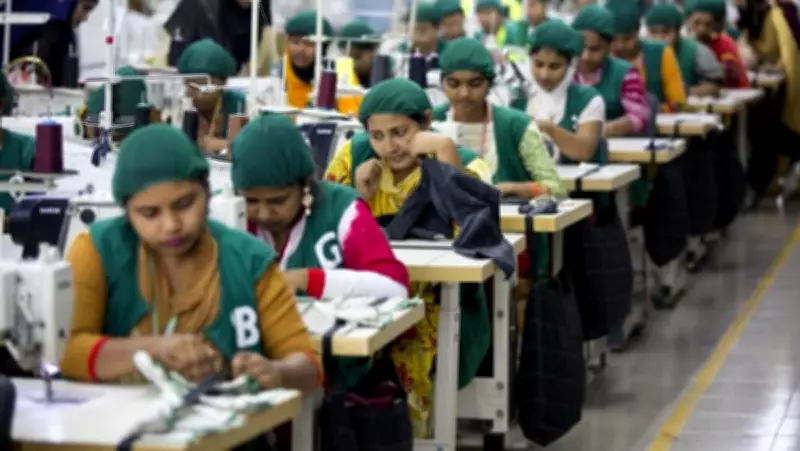
Bangladesh Achieves Significant U.S. Tariff Reduction and Apparel Exemptions
In a notable development for international trade, Bangladesh has secured a reduced tariff rate of 19% on exports to the United States, accompanied by specific exemptions for apparel items produced with U.S.-sourced materials. This agreement, announced recently, marks a strategic advancement in bilateral economic relations between the two nations.
Details of the Tariff Agreement and Its Implications
The new tariff structure lowers the previous rate, providing Bangladesh with enhanced access to the lucrative U.S. market. The exemption for apparel made with American materials is particularly significant, as it incentivizes the use of U.S. inputs in Bangladesh's garment manufacturing sector, which is a cornerstone of its economy. This move could lead to increased production efficiency and cost savings for exporters, while fostering closer supply chain integration between the countries.
Economic Impact and Industry Response

This tariff reduction is expected to bolster Bangladesh's export-oriented industries, especially its robust apparel sector, which employs millions and contributes substantially to the nation's GDP. By reducing import duties, the U.S. aims to support sustainable trade practices and economic growth in Bangladesh, potentially leading to job creation and improved competitiveness in global markets. Industry analysts suggest that this could encourage more investment in Bangladesh's manufacturing infrastructure, aligning with broader trends in global trade diversification.
Broader Context and Future Outlook
The agreement reflects ongoing efforts to strengthen trade partnerships amid evolving global economic dynamics. It may serve as a model for similar negotiations with other developing nations, emphasizing the importance of mutually beneficial trade policies. As Bangladesh continues to navigate post-pandemic recovery and geopolitical shifts, this tariff concession could provide a much-needed boost to its economic resilience and export performance in the coming years.






