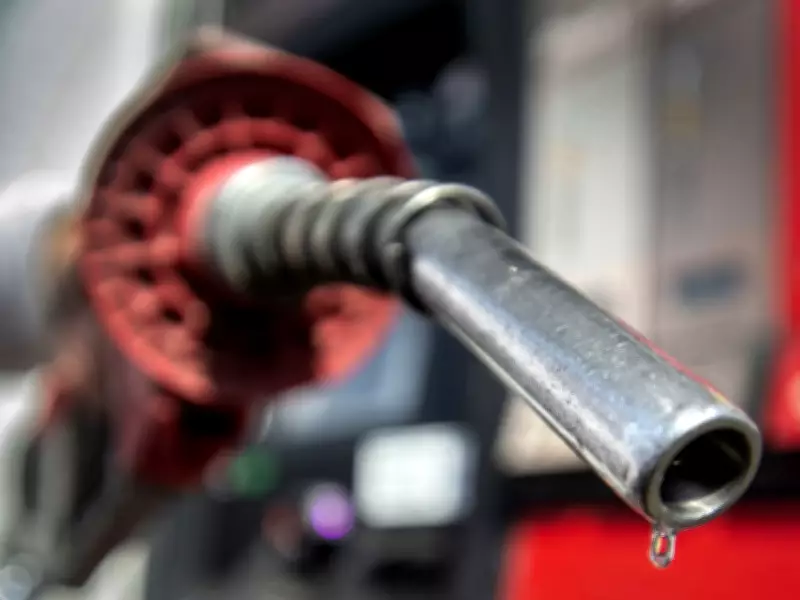
Canadian retail gasoline prices have surged since the start of the United States-Israel-Iran war, despite Canada ranking fourth globally in annual crude oil production. This paradox raises the question: if Canada is oil-rich, why are gas prices so high?
The Role of Retail Markets
In most of Canada, gasoline retailers operate with pricing freedom. They set prices based on costs, competitor pricing, and consumer behavior. Crucially, retailers focus on the replacement cost of fuel rather than what they originally paid. When wholesale prices rise, retail prices adjust quickly. Conversely, when wholesale prices fall, retailers engage in a cautious game of chicken with competitors. The first station to cut prices sells more fuel but earns less per litre. This dynamic creates what economists call the 'rockets and feathers' phenomenon: prices rise swiftly but descend slowly.
Wholesale Market Dynamics
Gas stations typically purchase fuel from wholesalers, sometimes from the same brand but often from the cheapest source. The wholesale market is competitive, as gasoline is a homogeneous product. Wholesalers also set prices based on competition and replacement costs, leading to similar 'rockets and feathers' patterns. Over time, gas stations earn modest profits, sufficient to cover costs and provide a fair return on investment.

Global Crude Oil Prices
Retail prices spike with wholesale prices, which in turn spike with crude oil prices. Canadian crude oil prices rise because global oil markets are interconnected. Canadian producers seek the highest bidder, often exporting at higher prices. Domestic refineries must match those export prices to secure crude, driving up domestic costs. This is a feature of the global market, not a policy failure or consumer gouging.
Canada's Position in Global Oil Markets
Canada and the United States are the only major oil-producing nations with competitive crude oil markets. Other producers coordinate production through state-owned enterprises. Canadian oil companies, though large, are price-takers in the global market. They cannot unilaterally raise prices like OPEC members, nor can they legally collude to drive prices up. Thus, while Canadian producers benefit from rising global prices, they do not cause them.
In summary, high gasoline prices in Canada stem from global market integration, competitive pricing structures, and the 'rockets and feathers' effect at both retail and wholesale levels. Understanding these forces helps clarify that neither producers nor retailers are gouging consumers; rather, the market is functioning as intended.