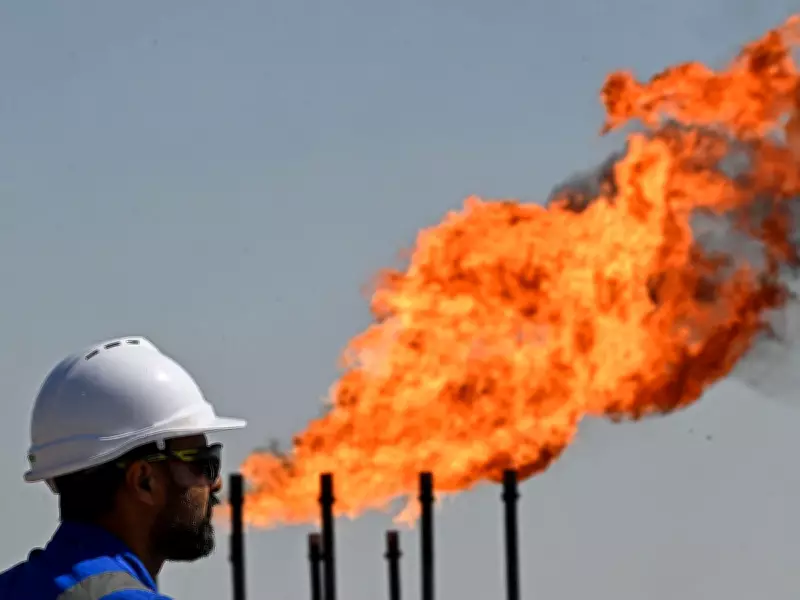
The United States and Iran remain locked in a standoff with no signs of a breakthrough in peace talks, as oil prices soared to a wartime high not seen since the aftermath of Russia's invasion of Ukraine in 2022. President Donald Trump asserted that his navy's blockade of Iranian ports is proving effective, describing it as "somewhat more effective than the bombing" and "choking" Iran by restricting its oil exports.
Oil Prices Spike on Strait of Hormuz Closure
Brent crude surged as much as 7.1% to over $126 a barrel on Thursday before paring gains to $121.40. The spike reflects traders factoring in an extended closure of the Strait of Hormuz, a critical chokepoint for global oil shipments, and the potential collapse of the fragile U.S.-Iran ceasefire that has been in place since early April. The strait has been effectively closed since late February, when hostilities escalated, disrupting flows of crude, natural gas, and oil products.
Military Options on the Table
According to Axios, U.S. military commanders are preparing to brief President Trump on new plans for Iran. U.S. Central Command (Centcom) has developed a strategy for a short wave of strikes on Iran aimed at breaking the negotiating deadlock. This echoes a similar briefing provided to Trump on February 26, shortly before the U.S. and Israel launched the current conflict. Analysts at Bloomberg Economics noted that Trump wants to end the conflict but not on Tehran's terms, suggesting renewed U.S. strikes are likely within the next two weeks.

Iran's Stance and Economic Strain
Iran has declared it will not reopen the Strait of Hormuz to commercial vessels until the U.S. lifts its blockade. The prolonged closure is straining Iran's economy, with the currency weakening to a fresh low. It remains uncertain how long Iran can sustain the blockade before running out of oil storage and being forced to cut production. Meanwhile, Trump has discussed measures to prolong the blockade while minimizing the impact on American consumers, following a meeting with oil and trading executives.
Global Energy Market Impact
The International Energy Agency has called the Middle East conflict the biggest supply shock in history, while Vitol Group estimates the market faces a supply loss of around 1 billion barrels. The blockade has reduced daily transits through the strait to nearly zero. Robert Rennie, head of commodity research at Westpac Banking Corp., commented that Trump has removed the market's hope for a quick end to the war, forcing traders to confront the reality that both sides believe they are winning and energy prices are accelerating higher.
Diplomatic Efforts Falter
Trump told reporters that talks are continuing "telephonically" after a failed attempt to meet in Pakistan over the weekend. The impasse shows little sign of resolution, with both sides dug in. As the standoff persists, global energy markets remain on edge, with potential for further price spikes if military action escalates.