U.S. Temporarily Eases Russian Oil Sanctions, Yet Global Crude Prices Remain Elevated
In a significant policy shift, the United States has announced a temporary easing of some sanctions on Russian oil, granting a 30-day pause aimed at stabilizing global energy markets. This move, however, has not immediately translated into lower prices for crude oil, which continue to trade at elevated levels due to persistent supply chain disruptions and geopolitical tensions.
Sanctions Pause Amidst Ongoing Market Volatility
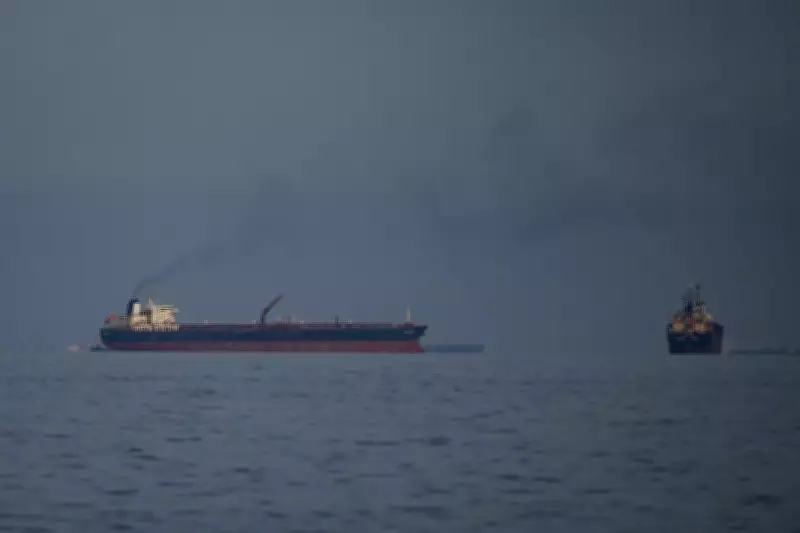
The decision to relax certain restrictions comes as the global energy landscape faces mounting pressures. Notably, the Strait of Hormuz, a critical maritime chokepoint for oil shipments, has seen significant congestion, with numerous oil tankers and cargo ships lining up near the United Arab Emirates. This bottleneck has exacerbated supply concerns, keeping crude futures in positive territory despite the U.S. sanctions relief.
Analysts point out that the 30-day pause is a strategic attempt to alleviate short-term market strains, but underlying issues such as production cuts and logistical hurdles are sustaining high prices. The Associated Press reported that the U.S. action is part of broader efforts to manage inflation and energy security, yet its impact has been muted by concurrent events in key shipping lanes.

Global and Domestic Reactions
In response to the U.S. move, Canadian officials, including former Bank of Canada Governor Mark Carney, have stated that Canada will maintain its full suite of Russian oil sanctions, emphasizing a commitment to international pressure on Russia. Carney, alongside German and Norwegian leaders, reiterated readiness to defend Arctic interests, highlighting the interconnected nature of global energy policies.
Meanwhile, the business sector is closely monitoring developments. Venture Global has announced plans to proceed with the second phase of its CP2 LNG project, signaling continued investment in energy infrastructure despite market uncertainties. Economic indicators, such as a recent jobs report showing significant job losses in February, add to the complex backdrop, with analysts describing the situation as a "bloodbath" but noting some brighter signs ahead.
Broader Implications for Energy Markets
The persistence of high crude prices underscores the fragility of global energy supplies. Factors contributing to this include:
- Geopolitical tensions in regions like the Strait of Hormuz, disrupting oil flow.
- Production challenges and OPEC+ decisions affecting output levels.
- Increased demand as economies recover from recent downturns.
This scenario presents a dilemma for policymakers: balancing sanctions enforcement with the need to curb inflation and ensure energy affordability. The temporary U.S. pause may offer a brief respite, but without addressing deeper supply issues, prices are likely to remain volatile.
As the situation evolves, stakeholders from governments to investors will be watching for further adjustments in sanctions and their effects on global crude markets. The coming weeks will be critical in determining whether this policy shift can lead to more stable energy prices or if additional measures will be necessary.