U.S. businesses are facing increasing costs as a result of the ongoing war with Iran, and economists anticipate further economic pressures in the coming months. The conflict has disrupted supply chains and driven up energy prices, impacting a wide range of industries from manufacturing to retail.
Impact on Supply Chains
The war has exacerbated existing supply chain issues, with many companies struggling to secure raw materials and components. Shipping routes through the Middle East have been affected, leading to delays and higher transportation costs. Small and medium-sized businesses, in particular, are feeling the pinch as they lack the resources to absorb these additional expenses.
Energy Price Surge
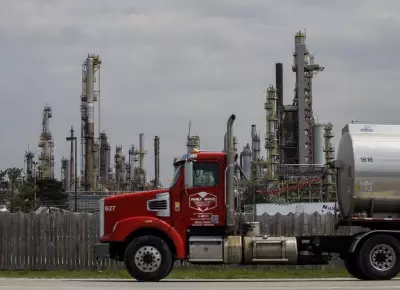
Oil prices have spiked since the onset of hostilities, with crude oil reaching multi-year highs. This has increased operating costs for businesses reliant on fuel, including logistics firms, airlines, and manufacturers. Consumers are also feeling the impact through higher prices at the pump and for goods.

Economists' Warnings
Economists warn that the situation could worsen if the conflict persists. Rising inflation and potential interest rate hikes may further strain businesses and consumers. Some analysts predict a slowdown in economic growth, with the potential for a recession if the war continues into the next year.
Industry-Specific Challenges
- Retail: Increased costs for imported goods and shipping are squeezing profit margins.
- Manufacturing: Shortages of key components, such as semiconductors, are slowing production.
- Agriculture: Higher fuel and fertilizer costs are impacting farmers.
Government Response
The U.S. government has announced measures to stabilize markets, including releasing strategic petroleum reserves and providing financial support to affected industries. However, critics argue that more needs to be done to address the root causes of the economic disruption.
As the war continues, businesses are advised to diversify supply chains, hedge against energy price volatility, and explore cost-saving measures to weather the storm.