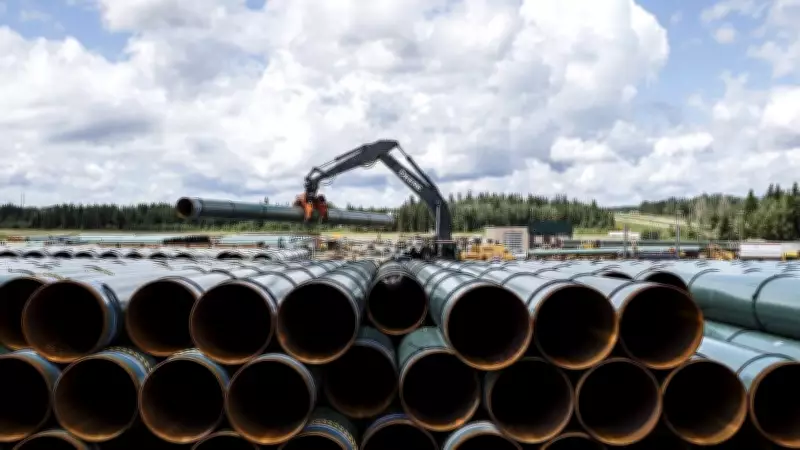
Canada's Trans Mountain pipeline, a critical conduit for transporting oil from Alberta to British Columbia's west coast, has officially launched a bidding process aimed at adding significant new shipping capacity. This move represents a pivotal development in the nation's energy infrastructure landscape, potentially enhancing the flow of crude oil to international markets.
Expanding Critical Energy Infrastructure
The bidding process invites interested parties to submit proposals for increasing the pipeline's throughput, which currently handles substantial volumes of oil from Alberta's oil sands region. This expansion initiative is designed to meet growing demand and improve the efficiency of oil exports from Canada's western provinces.
Strategic Importance for Canadian Energy Sector
Trans Mountain plays a vital role in Canada's energy economy, providing a direct route for oil shipments to coastal terminals in British Columbia. By adding capacity through this competitive bidding process, the pipeline operator aims to bolster the reliability and volume of oil deliveries, supporting both domestic energy needs and international trade relationships.

The expansion effort comes at a time when global energy markets are closely watching infrastructure developments that could influence oil supply chains. Increased capacity on the Trans Mountain pipeline could potentially reduce transportation bottlenecks and provide more flexible shipping options for Canadian oil producers.
Environmental and Regulatory Considerations
While the bidding process focuses on technical and commercial aspects of capacity addition, it occurs within a broader context of environmental scrutiny and regulatory oversight. Pipeline expansions typically involve comprehensive assessments of environmental impacts, safety protocols, and community consultations, though these specific details were not elaborated in the initial announcement.
The launch of this bidding process signals confidence in the long-term viability of the Trans Mountain pipeline as a key component of Canada's energy transportation network. It reflects ongoing efforts to optimize existing infrastructure while navigating the complex balance between economic development and environmental stewardship.
As the bidding process unfolds, stakeholders across the energy sector will be monitoring developments closely, recognizing that expanded pipeline capacity could have far-reaching implications for Canada's oil industry and its position in global energy markets.